en
en  English
 中文简体
中文简体
 русский
 عربى
عربى
Content
What Is a Vehicle Elevator
A hydraulic platform tucked beneath a downtown parking structure can move a two-ton sedan between floors in under ninety seconds — no ramp, no driver steering through a curved transition, no wasted floor plate. That's the basic promise of a vehicle elevator.
A vehicle elevator, also called a car elevator or automobile elevator, is a lift engineered specifically to move motor vehicles vertically inside a building rather than carry people from floor to floor. The driver positions the car on the platform, exits, and the system handles the rest. While the mechanism resembles a conventional lift in principle, the engineering underneath is different in almost every respect. A passenger cabin is built around evenly distributed standing weight; a vehicle platform has to account for concentrated axle loads, wider door openings, and a structure heavy enough to carry a fully loaded vehicle rather than a handful of occupants.
That distinction shapes nearly every downstream decision — from the type of drive system specified to the depth of the pit and the classification the equipment falls under for code purposes.
Hydraulic vs. Traction Vehicle Elevators
Two drive systems dominate the vehicle elevator market, and the choice between them usually comes down to building height and site constraints.
Hydraulic systems use a piston driven by pressurized oil to raise and lower the platform. They're mechanically simple, tolerate heavy loads well, and are the default choice for low-rise applications such as villas, auto repair shops, and underground parking. Within the hydraulic category, three configurations cover most projects:
- Scissor-type platforms — the most versatile option, sitting flush with grade when idle and descending into a pre-excavated pit. Capacities commonly range from 3,000 kg up to 20,000 kg, making them suitable for SUVs and light commercial vehicles as well as sedans.
- Four-post lifts — four vertical columns support the platform, offering a stable, low-maintenance structure that suits residential and villa projects. Capacity typically tops out around 5,000 kg.
- Two-post lifts — a compact footprint for tight retrofits, generally rated under 3,500 kg, with a lighter structural requirement that speeds up installation in existing buildings.
Traction systems, by contrast, use steel ropes running over pulleys with a counterweight — the same basic principle behind the passenger elevators most people ride daily. They run smoother and faster than hydraulic units and scale better to mid- and high-rise buildings, which is why commercial parking structures and dealership showrooms tend to specify them over hydraulic alternatives.
Manufacturers offering custom-engineered vehicle elevator solutions built for automotive-grade loads typically produce both drive types, since no single configuration covers every building profile.
Capacity, Dimensions, and Drive Technology
Sizing a vehicle elevator starts with the heaviest vehicle in the expected fleet, not the average one. Specifying to the 95th-percentile vehicle avoids operational restrictions after handover — a lift rated for a compact sedan will reject an SUV outright, and there's no retrofit fix for undersized capacity short of replacing the unit.
| Drive Type | Typical Capacity | Best Suited For |
|---|---|---|
| Hydraulic (column/scissor) | 3,000 – 5,000 kg | Villas, low-rise garages, repair shops |
| Hydraulic (heavy scissor) | Up to 20,000 kg | Commercial garages, SUVs, light trucks |
| Traction | 3,000 – 10,000 kg | Mid/high-rise commercial buildings, dealerships |
Drive technology matters as much as raw capacity. Variable voltage variable frequency (VVVF) control has become the standard in modern installations because it smooths acceleration and deceleration through vector closed-loop control, rather than applying power in abrupt steps. That reduces mechanical stress on the traction system, cuts the jitter that uneven loading can otherwise introduce into the car, and shortens running time between floors — all of which extend platform longevity and lower long-term maintenance costs.
Door configuration is a related sizing decision. Multifold panel doors that open front and back let a vehicle enter from one side and exit from the other, which matters in facilities with tight turning radii or one-way traffic patterns.
Safety Systems and Code Classification
Because a vehicle elevator carries loads that dwarf a standard passenger cabin, redundant safety engineering isn't optional. Well-specified systems layer several independent protections: anti-fall mechanical locks that engage automatically if hydraulic pressure drops, overload sensors that block operation above rated capacity, photocell and limit switch arrays that stop the platform if an obstruction enters its path, and door interlocks that prevent movement unless the entrance is fully closed. A double control box design — one panel inside the car — lets the driver operate the elevator without stepping out, which matters in unattended residential and light-commercial installations.
Regulatory classification varies by jurisdiction, but in the United States, vehicle elevators typically fall under the same framework that governs freight elevators — specifically, the ASME classification covering motor-vehicle loading. Understanding how freight elevators are classified for motor-vehicle loading is useful context here, since the same structural and safety logic — concentrated dynamic loads rather than evenly distributed passenger weight — applies to purpose-built vehicle lifts.
Building codes add another layer. Requirements for hoistway enclosures, lobby separation, and standby power differ for elevators serving open parking garages versus fully enclosed structures, and code provisions governing elevators in parking structures are worth reviewing early in design, before pit dimensions and hoistway locations are locked in.
Where Vehicle Elevators Are Used
Residential applications remain the most visible use case — a villa or custom home lifting a single vehicle from a driveway-level garage to a basement storage level, preserving landscaping that a ramp would otherwise consume. But the commercial applications are where the space-saving math really pays off. Dealerships and showrooms use vehicle elevators to display inventory across multiple floors without dedicating ground-floor square footage to internal ramps. In mixed-use developments combining retail, office, and residential space, vehicle lift shafts often run alongside shared vertical circulation cores with passenger elevator systems, simplifying the overall vertical transportation plan for the building.
Multi-level parking is the largest application by volume. Eliminating ramps recovers floor area that would otherwise go to circulation space, which matters most in dense urban sites where every square foot of buildable land carries a premium. For a deeper look at that shift, a closer look at how vehicle elevators are reshaping multi-level parking developments covers deployment patterns across residential towers, transit-adjacent sites, and mixed-use projects in more detail.
Choosing the Right System for Your Project
Four factors consistently drive the specification decision, and getting them wrong is expensive to fix after construction begins.
- Capacity margin. Size to the heaviest vehicle expected, not the average one, and build in headroom for future fleet changes.
- Pit depth. Hydraulic scissor systems can require as little as 500 mm of pit depth, a meaningful advantage over deeper traction shaft excavation — confirm this early with the structural engineer.
- Door configuration. Front-and-rear openings suit one-way traffic; single-side openings work where vehicles can reverse in and out.
- Maintenance access. Hydraulic components are widely serviceable by general mechanical contractors in most markets, keeping lifecycle costs predictable.
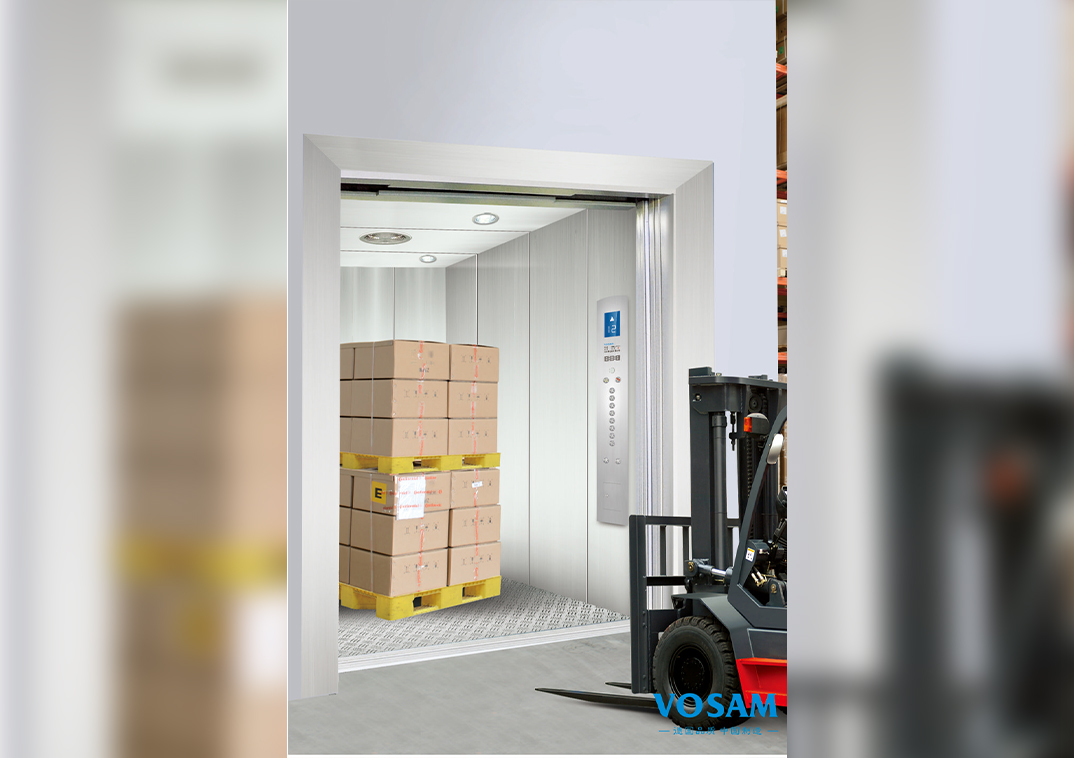
One more consideration is worth flagging before finalizing a spec: not every heavy-load vertical transport problem calls for a vehicle elevator. Facilities moving delivery vans, forklifts, or oversized commercial vehicles alongside standard cars sometimes get better value from a heavy-load freight elevator alternative for oversized commercial vehicles, particularly when the platform also needs to handle non-vehicle cargo on a regular basis. Matching the equipment class to the actual load profile — rather than defaulting to the most common product category — is what keeps a vertical transportation plan from becoming a bottleneck five years after occupancy.