en
en  English
 中文简体
中文简体
 русский
 عربى
عربى
Content
- 1 What Is a Freight Elevator?
- 2 Freight Elevator vs. Passenger Elevator: Key Differences
- 3 Main Types of Freight Elevators
- 4 ASME Load Classes for Freight Elevators
- 5 Where Freight Elevators Are Used
- 6 Key Specifications to Evaluate
- 7 Safety and Compliance Requirements
- 8 Estimated Costs of a Freight Elevator
What Is a Freight Elevator?
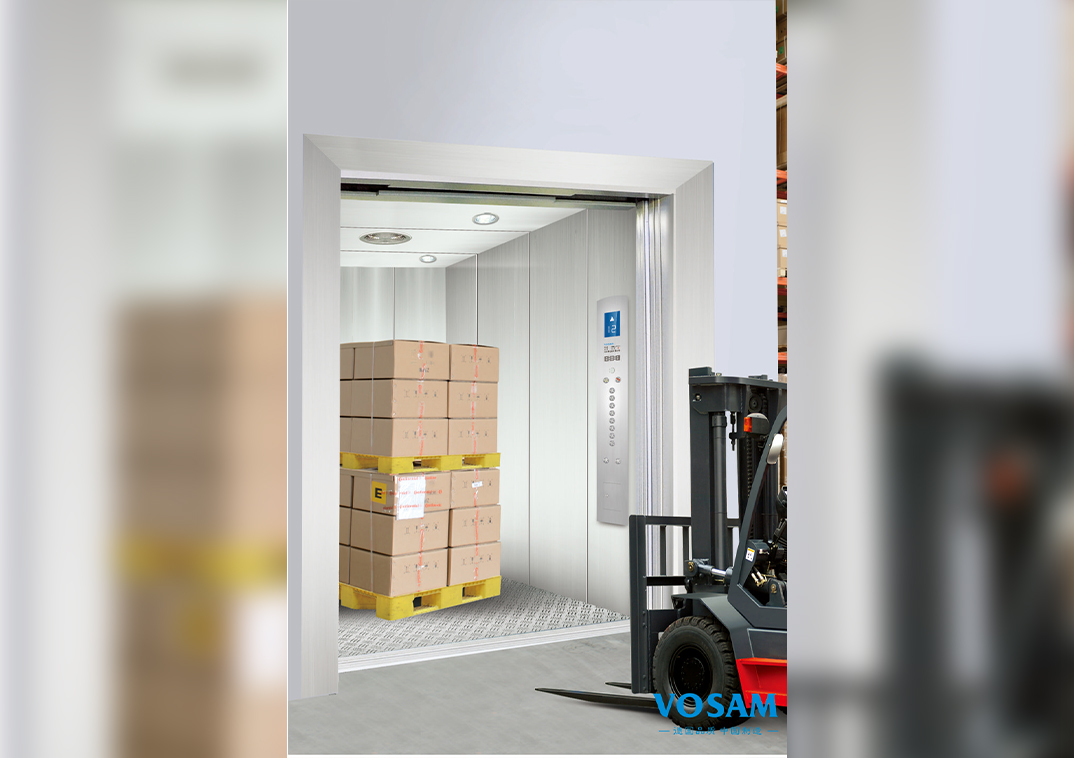
A freight elevator — also called a cargo elevator — is a lift designed specifically to move goods, materials, and equipment between floors of a building, rather than people. Unlike passenger elevators, freight elevators are built with reinforced cabins, heavy-duty doors, and higher weight capacities, typically ranging from 2,000 to 100,000 pounds (900 to 45,000 kg) depending on the application.
They are a standard feature in warehouses, manufacturing plants, hospitals, retail distribution centers, and multi-story commercial buildings where moving large or heavy loads by stairway or standard elevator would be impractical or impossible.
Freight Elevator vs. Passenger Elevator: Key Differences
While both types move vertically between floors, they serve very different purposes and are built to different standards. The table below outlines the most important distinctions:
| Feature | Freight Elevator | Passenger Elevator |
|---|---|---|
| Primary use | Goods, equipment, pallets | People |
| Typical capacity | 2,000–100,000 lbs | 1,000–5,000 lbs |
| Cab interior | Bare steel or reinforced panels | Finished, decorative |
| Door type | Bi-parting, vertical, or manual | Automatic sliding |
| Speed | Slower (25–200 FPM) | Faster (up to 2,000 FPM) |
| Floor surface | Heavy-duty, forklift-compatible | Carpet or tile |
| Code standard (US) | ASME A17.1 Class A–F | ASME A17.1 |
Main Types of Freight Elevators
Freight and cargo elevators are not a single product — they come in several configurations based on load type, building layout, and usage frequency.
Hydraulic Freight Elevator
Hydraulic models use a fluid-driven piston to raise and lower the cab. They are best suited for low-rise buildings (typically 2 to 5 floors) and are valued for their smooth operation and relatively lower installation cost. However, they are slower and less energy-efficient than traction models.
Traction Freight Elevator
Traction elevators use cables and counterweights driven by an electric motor. They handle higher speeds and greater travel distances, making them suitable for mid- to high-rise industrial or commercial buildings. Gearless traction variants are preferred where energy savings and longevity matter.
Drum or Winding Drum Elevator
An older design where the hoisting ropes wind around a drum. Still used in some industrial settings, though less common in modern construction due to limits on travel height and code restrictions in certain jurisdictions.
Vertical Reciprocating Conveyor (VRC)
A VRC is a mechanical lift used strictly for materials — not people — making it exempt from elevator codes in many regions. It is a cost-effective option for moving pallets or products between two fixed levels, common in manufacturing and distribution facilities.
Dumbwaiter
A smaller version of a freight elevator, dumbwaiters are designed for light loads — typically under 500 lbs (230 kg). They are widely used in restaurants, hotels, libraries, and hospitals to move food, laundry, or documents between floors without human occupancy.
ASME Load Classes for Freight Elevators
In the United States, freight elevators are regulated under ASME A17.1 and classified by loading method. Understanding these classes is essential when specifying or purchasing a unit:
- Class A – General freight loading: Items loaded manually or by hand truck; concentrated loads no more than 25% of total capacity.
- Class B – Motor vehicle loading: Used in parking structures and auto showrooms; designed for vehicle weight and dynamic loading.
- Class C1 – Industrial truck loading: Loaded by industrial trucks with the weight of the truck included; load carried on the truck.
- Class C2 – Industrial truck loading: Load transferred from the truck to the elevator platform during loading.
- Class C3 – Heavy machinery: Concentrated loads greater than 25% of total rated capacity; used for heavy industrial equipment.
Selecting the wrong class for your application is a common and costly mistake — it affects structural requirements, pit depth, and safety certifications.
Where Freight Elevators Are Used
Cargo elevators appear in a wide range of settings, each with distinct performance requirements:
- Warehouses and distribution centers: Moving palletized goods between storage levels, often requiring forklift entry and capacities of 10,000 lbs or more.
- Manufacturing plants: Transporting raw materials, assemblies, or finished products between production floors.
- Retail stores and shopping centers: Moving stock from basement storage or receiving docks to sales floors.
- Hospitals and healthcare facilities: Dedicated service elevators for beds, medical equipment, and supply carts — separate from patient lifts.
- Hotels and restaurants: Smaller cargo lifts or dumbwaiters for linen, food service, and kitchen supplies.
- Parking garages: Class B elevators designed to carry full-weight vehicles.
Key Specifications to Evaluate
When selecting a freight elevator, these are the specifications that most directly affect performance and suitability:
Rated Capacity
Always size capacity above your maximum anticipated load. Industry practice recommends designing for at least 125% of your peak operational load to account for dynamic forces during loading and travel.
Platform Dimensions
Standard freight elevator platforms range from roughly 6 ft × 8 ft to 10 ft × 12 ft, but custom sizes are available. If a forklift must enter the cab, platform width must accommodate the forklift's turning radius and the load width simultaneously.
Door Configuration
Freight elevator doors come in several formats: bi-parting vertical sliding, two-speed horizontal sliding, and single or double bi-parting. Vertical bi-parting doors are the most common in industrial settings as they maximize the opening width without encroaching on floor space.
Travel Speed
Freight elevators typically travel at 25 to 200 feet per minute (FPM). For comparison, passenger elevators often run at 500 FPM or higher. Slower speeds are acceptable when throughput volume is low, but high-volume operations may benefit from faster units despite higher costs.
Drive System
Hydraulic drives suit low-rise, lower-frequency operations with upfront cost savings. Traction drives are preferable for taller buildings, more frequent use, and long-term energy efficiency — modern traction systems can use up to 40% less energy than older hydraulic equivalents.
Safety and Compliance Requirements
Freight elevators are subject to strict safety regulations. Non-compliance can result in fines, shutdowns, and liability exposure. Key requirements include:
- Periodic inspections: Most jurisdictions in the US require annual inspections by a licensed elevator inspector, with a valid certificate of operation posted in or near the cab.
- Overload protection: Systems must include devices that prevent operation when the load exceeds rated capacity.
- Gate and door interlocks: The elevator must not move unless all hoistway doors and cab gates are fully closed and locked.
- Emergency stop controls: An accessible stop switch inside the cab is mandatory.
- Pit safety: A minimum pit depth (often 12–18 inches) is required for safe maintenance access below the platform.
OSHA also has specific provisions for elevator-related workplace safety under 29 CFR 1910.68, particularly relevant in manufacturing and industrial environments.
Estimated Costs of a Freight Elevator
Freight elevator costs vary widely based on capacity, travel height, drive type, and customization. Below are general price ranges for reference:
| Type | Capacity Range | Estimated Installed Cost (USD) |
|---|---|---|
| Dumbwaiter | Up to 500 lbs | $10,000 – $25,000 |
| VRC (materials only) | 500 – 10,000 lbs | $15,000 – $50,000 |
| Hydraulic freight elevator | 2,000 – 20,000 lbs | $50,000 – $150,000 |
| Traction freight elevator | 5,000 – 100,000 lbs | $100,000 – $500,000+ |
Annual maintenance contracts typically add $2,000 to $10,000 per year depending on elevator size and usage intensity. Budgeting for maintenance upfront is essential, as neglected freight elevators are among the most frequent sources of workplace safety violations.