en
en  English
 中文简体
中文简体
 русский
 عربى
عربى
Content
- 1 What Are Car Elevators and How Do They Work?
- 2 Types of Car Elevator Systems
- 3 Residential vs. Commercial Applications
- 4 Installation Requirements and Space Considerations
- 5 Cost Analysis and Return on Investment
- 6 Safety Features and Regulatory Compliance
- 7 Maintenance Best Practices and Troubleshooting
- 8 Future Trends in Vehicle Elevator Technology
What Are Car Elevators and How Do They Work?
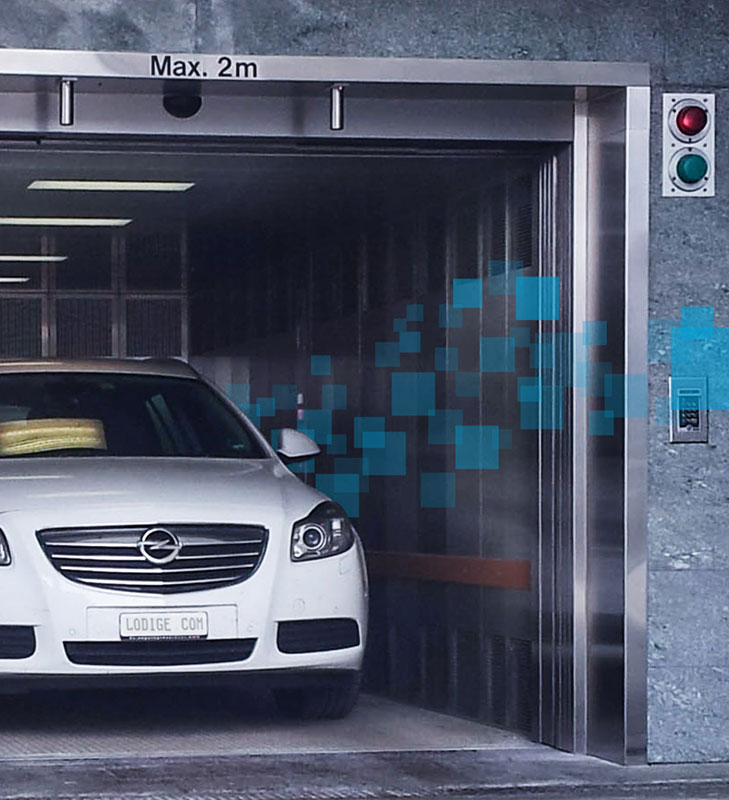
Car elevators, also known as vehicle lifts or automotive elevators, are specialized mechanical systems designed to transport cars vertically between different floors of a building. Unlike traditional passenger elevators, these systems are engineered to handle the substantial weight and dimensions of automobiles, with capacity ratings typically ranging from 5,000 to 15,000 pounds.
The fundamental operation involves a robust platform that accommodates the vehicle, powered by hydraulic or traction drive systems. Modern car elevators incorporate advanced safety features including emergency stop mechanisms, overload sensors, and redundant braking systems to ensure secure transportation.
These systems have evolved from simple industrial applications to sophisticated architectural solutions that maximize space efficiency in urban environments where horizontal expansion is limited.
Types of Car Elevator Systems
Hydraulic Car Elevators
Hydraulic systems use fluid pressure to raise and lower the vehicle platform. These are the most common type for residential installations due to their reliability and relatively lower installation costs. Hydraulic car elevators can lift vehicles up to 30 feet and operate at speeds of approximately 30-50 feet per minute.
- Lower initial investment compared to traction systems
- Smoother operation with precise floor leveling
- Requires machine room or dedicated hydraulic power unit space
- Maintenance intervals typically every 6-12 months
Traction Drive Car Elevators
Traction systems utilize electric motors and counterweights, similar to traditional passenger elevators but reinforced for vehicle loads. These systems are preferred for high-rise commercial applications where speed and energy efficiency are priorities.
Traction car elevators can achieve speeds of 100-200 feet per minute and are capable of serving multiple floors in tall structures. The counterweight system reduces energy consumption by approximately 40% compared to hydraulic alternatives.
Rotary and Turntable Systems
Advanced car elevator installations often incorporate rotary platforms or turntables that allow vehicles to rotate 90 or 180 degrees upon arrival at each floor. This feature eliminates the need for complex maneuvering in tight parking spaces and improves traffic flow in multi-level facilities.
Residential vs. Commercial Applications
The application context significantly influences design specifications, capacity requirements, and regulatory compliance for car elevator installations.
Residential Car Elevators
Homeowners install car elevators primarily to create additional parking space in properties with limited land area. A typical residential installation serves 2-4 levels and accommodates standard passenger vehicles, SUVs, or luxury cars.
Key considerations for residential applications include:
- Average installation cost: $75,000 to $150,000 depending on complexity
- Platform dimensions typically 9 feet wide by 18-20 feet long
- Weight capacity of 6,000-8,000 pounds sufficient for most vehicles
- Integration with home automation systems for remote operation
- Aesthetic customization to match architectural design
Commercial Car Elevators
Commercial installations serve parking garages, automotive dealerships, service centers, and mixed-use developments. These systems must accommodate higher traffic volumes and diverse vehicle types including trucks and commercial vans.
Commercial car elevators feature enhanced durability, faster cycle times, and compliance with stricter building codes. Installation costs range from $150,000 to $500,000+ for large-scale projects serving multiple vehicles simultaneously.
| Feature | Residential | Commercial |
|---|---|---|
| Weight Capacity | 6,000-8,000 lbs | 10,000-15,000+ lbs |
| Travel Height | Up to 30 feet | 100+ feet |
| Speed | 30-50 ft/min | 100-200 ft/min |
| Daily Cycles | 10-20 | 100-500+ |
| Installation Time | 4-8 weeks | 3-6 months |
Installation Requirements and Space Considerations
Proper planning and structural assessment are critical before installing a car elevator. The physical requirements vary based on system type and intended use.
Structural Requirements
Car elevators require reinforced foundations capable of supporting dynamic loads during operation. For hydraulic systems, the pit depth typically ranges from 4 to 6 feet, while traction systems may require deeper pits of 8-10 feet for counterweight accommodation.
The shaft enclosure must meet fire-rated construction standards, usually requiring 2-hour fire-resistance ratings. Ceiling heights should provide minimum clearances of 10-12 feet above the highest landing to accommodate overhead machinery.
Electrical and Mechanical Infrastructure
Power requirements depend on the drive system. Hydraulic car elevators typically need 220-240 volt single-phase or three-phase power, while traction systems require three-phase 480-volt connections for optimal performance.
Mechanical rooms housing pumps, controllers, and safety equipment should maintain temperatures between 50-100°F and provide adequate ventilation. Emergency power backup systems are recommended to prevent vehicles from being trapped during power outages.
Dimensional Planning
Minimum platform dimensions should exceed the largest vehicle's footprint by at least 6 inches on all sides. Standard platform sizes include:
- Compact cars: 8' × 16'
- Standard sedans/SUVs: 9' × 18'
- Large trucks/vans: 10' × 20'+
Door openings must accommodate vehicle width plus clearance, typically requiring 9-10 foot wide openings with 8-foot minimum height clearances.
Cost Analysis and Return on Investment
Understanding the financial implications helps property owners make informed decisions about car elevator installations.
Initial Investment Breakdown
Total project costs encompass equipment, installation, structural modifications, and permitting. Equipment alone represents approximately 40-50% of total expenses.
| Component | Cost Range | Percentage of Total |
|---|---|---|
| Elevator Equipment | $30,000-$75,000 | 40-50% |
| Installation Labor | $20,000-$40,000 | 25-30% |
| Structural Modifications | $15,000-$35,000 | 15-25% |
| Permits and Engineering | $5,000-$15,000 | 5-10% |
| Finishes and Customization | $5,000-$20,000 | 5-15% |
Long-Term Value and ROI
Car elevators enhance property value by creating usable square footage without expanding the building footprint. In high-density urban areas, adding parking through vertical solutions can increase property values by 15-25%.
Annual maintenance costs average $1,200-$3,000 for residential units and $5,000-$15,000 for commercial systems. Energy consumption varies by system type, with modern traction elevators using approximately 30% less electricity than older hydraulic models.
For commercial applications, revenue generation from additional parking spaces can offset installation costs within 3-7 years, depending on local parking rates and utilization levels.
Safety Features and Regulatory Compliance
Car elevators must meet stringent safety standards to protect vehicles, operators, and building occupants. Compliance with local building codes and national standards is mandatory.
Essential Safety Mechanisms
Modern car elevators incorporate multiple redundant safety systems:
- Overload protection prevents operation when weight exceeds rated capacity
- Emergency stop buttons at each landing and on the platform
- Automatic braking systems engage during power failures
- Photoelectric sensors detect obstructions in doorways
- Intercom systems enable communication during emergencies
- Fire-rated enclosures contain potential hazards
Building Code Requirements
In the United States, car elevators must comply with ASME A17.1/CSA B44 Safety Code for Elevators and Escalators, along with local amendments. Key requirements include:
Regular inspections by certified elevator inspectors, typically annually for residential and quarterly for commercial installations. Maintenance logs must be maintained and accessible for review.
Structural engineering certification confirming the building can support dynamic loads. Seismic bracing may be required in earthquake-prone regions.
Accessibility considerations under ADA guidelines if the elevator serves public areas, though private residential installations may have exemptions.
Maintenance Best Practices and Troubleshooting
Proper maintenance ensures reliable operation, extends equipment lifespan, and maintains warranty coverage. Neglecting scheduled service can lead to costly repairs and safety hazards.
Scheduled Maintenance Tasks
Professional maintenance should occur at regular intervals, with homeowners performing basic visual inspections monthly:
- Monthly: Check hydraulic fluid levels, inspect cables for wear, test emergency stops
- Quarterly: Lubricate moving parts, verify door alignment, clean photoelectric sensors
- Semi-annually: Test safety brakes, inspect electrical connections, calibrate leveling systems
- Annually: Complete system inspection by certified technician, load testing, code compliance verification
Common Issues and Solutions
Understanding frequent problems helps identify issues early:
- Uneven leveling: Often caused by worn guide shoes or hydraulic valve issues; requires professional adjustment
- Slow operation: May indicate low hydraulic fluid, pump wear, or electrical supply problems
- Door malfunctions: Typically result from sensor misalignment or track obstructions
- Unusual noises: Could signal bearing wear, loose components, or insufficient lubrication
Most manufacturers recommend service contracts with authorized dealers to ensure genuine parts and trained technicians perform repairs. Average repair costs range from $200 for minor adjustments to $5,000+ for major component replacements.
Future Trends in Vehicle Elevator Technology
The car elevator industry continues evolving with technological advancements addressing efficiency, sustainability, and user experience.
Smart Integration and Automation
Internet of Things (IoT) connectivity enables remote monitoring, predictive maintenance alerts, and integration with smart home systems. Users can schedule elevator movements via smartphone apps, receive maintenance notifications, and monitor energy consumption in real-time.
Automated parking systems combine car elevators with robotic platforms that position vehicles without driver involvement, maximizing space utilization by eliminating driving aisles. These systems can increase parking density by 40-60% compared to conventional layouts.
Sustainability Innovations
Regenerative drive systems capture energy during descent and feed it back into the building's electrical grid, reducing overall consumption by up to 35%. Biodegradable hydraulic fluids replace traditional petroleum-based options, minimizing environmental impact from potential leaks.
Solar-powered installations integrate photovoltaic panels to offset operational energy costs, particularly beneficial for standalone structures or locations with favorable solar exposure.
Electric Vehicle Compatibility
As electric vehicles gain market share, car elevator designs now accommodate charging infrastructure integration. Platforms feature built-in charging stations, cable management systems, and enhanced weight capacity to handle heavier EV batteries. Some systems include battery swap capabilities for commercial fleet operations.
Thermal management considerations address heat generated during charging cycles, with ventilation systems preventing overheating in enclosed parking structures.