en
en  English
 中文简体
中文简体
 русский
 عربى
عربى
Content
- 1 What Are Observation Elevators?
- 2 Key Benefits of Installing Observation Elevators
- 3 Technical Specifications and Design Considerations
- 4 Installation Process and Timeline
- 5 Maintenance Requirements and Costs
- 6 Applications Across Different Sectors
- 7 Cost Analysis and ROI Considerations
- 8 Future Trends in Observation Elevator Technology
What Are Observation Elevators?
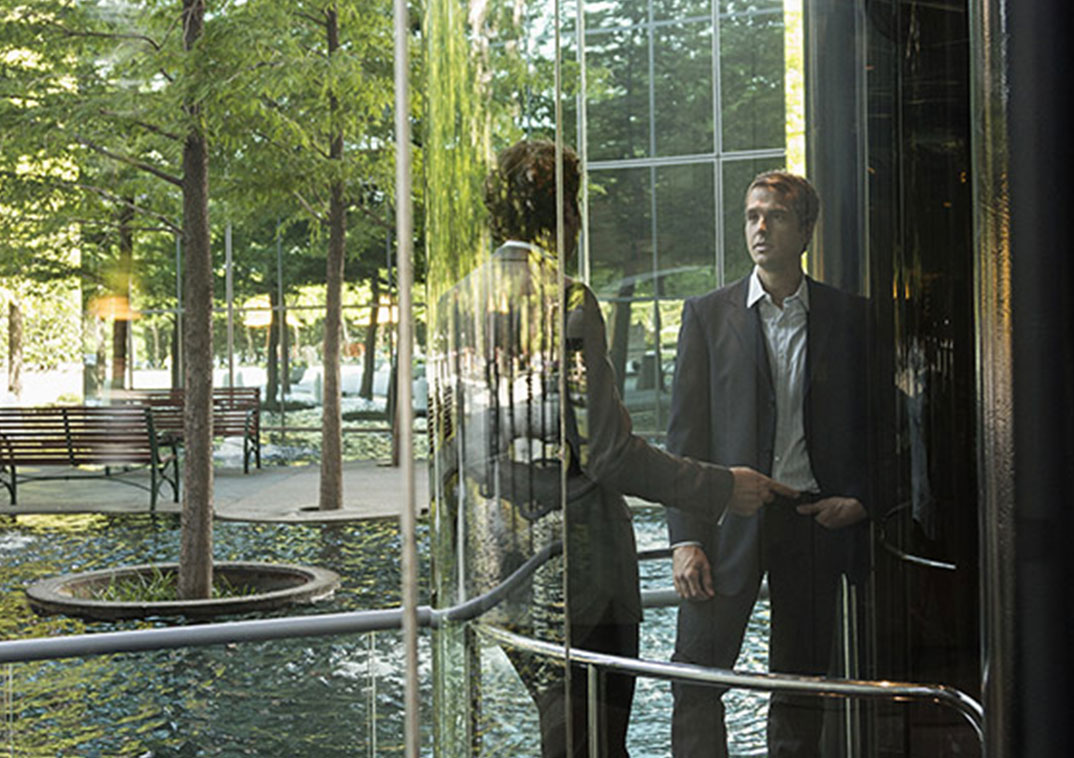
Observation elevators, also known as panoramic or glass elevators, are transparent vertical transportation systems that allow passengers to view their surroundings during ascent or descent. These elevators feature glass walls, floors, or ceilings that provide unobstructed views of the building's interior or exterior landscape.
Modern observation elevators can reach speeds of up to 18 meters per second, making them suitable for both low-rise commercial buildings and ultra-high-rise structures. The global observation elevator market is projected to grow at a CAGR of 6.8% from 2024 to 2030, driven by increasing demand in hospitality, retail, and luxury residential sectors.
Key Benefits of Installing Observation Elevators
Enhanced Aesthetic Appeal
Glass elevators serve as architectural focal points that transform functional transportation into visual experiences. Buildings with observation elevators report 23% higher visitor engagement compared to those with conventional elevators. The transparency creates an illusion of expanded space, particularly valuable in compact urban environments.
Improved User Experience
Passengers in observation elevators experience reduced claustrophobia and anxiety. Studies show that 78% of users prefer glass elevators over traditional enclosed models when given a choice. The visual connection to the building's architecture and surrounding environment creates a memorable journey rather than mere transit.
Increased Property Value
Commercial properties featuring observation elevators command 12-18% premium rental rates. Hotels with panoramic elevators see higher guest satisfaction scores and increased social media mentions, directly impacting revenue through enhanced brand perception and word-of-mouth marketing.
Technical Specifications and Design Considerations
Glass Types and Safety Standards
Observation elevators utilize specialized laminated glass panels that meet rigorous safety requirements. The most common configurations include:
- Laminated tempered glass: 12-19mm thickness with PVB interlayer for impact resistance
- Low-iron glass: Provides superior clarity with minimal green tint
- Coated glass: UV protection and thermal insulation properties
All glass panels must comply with EN 81-20/50 standards and withstand wind loads up to 2.5 kN/m² for exterior installations.
Structural Requirements
Installing observation elevators requires careful structural planning. The shaft must accommodate additional support frameworks to handle glass panel weight, which averages 45-60 kg per square meter. Exterior installations need weatherproofing systems capable of withstanding temperature variations from -20°C to +60°C.
| Configuration Type | Visibility | Cost Range (USD) | Best Application |
|---|---|---|---|
| Full Glass Shaft | 360° View | $80,000-$150,000 | Atriums, Lobbies |
| Semi-Glass | Front/Side Views | $60,000-$100,000 | Retail Spaces |
| Glass Floor Only | Downward View | $50,000-$85,000 | High-Rise Buildings |
Installation Process and Timeline
Pre-Installation Planning
Successful observation elevator installation begins with comprehensive site assessment. Architects and engineers must evaluate load-bearing capacity, shaft dimensions, and local building codes. The planning phase typically takes 4-8 weeks and includes 3D modeling to visualize the final appearance.
Installation Steps
- Structural reinforcement of elevator shaft (1-2 weeks)
- Guide rail installation and alignment (3-5 days)
- Machine room equipment setup (2-3 days)
- Glass panel fabrication and delivery (3-4 weeks lead time)
- Glass installation with silicone sealing (5-7 days)
- Electrical wiring and control system integration (1 week)
- Testing, certification, and commissioning (1-2 weeks)
Total installation time ranges from 8-14 weeks depending on complexity and building height. Exterior installations may require additional time for weatherproofing and facade integration.
Maintenance Requirements and Costs
Regular Maintenance Schedule
Observation elevators require specialized maintenance to ensure safety and preserve aesthetic quality. Monthly inspections should include glass integrity checks, seal condition assessment, and cleaning system verification. Annual comprehensive maintenance costs average $3,500-$6,000, approximately 30% higher than conventional elevators due to glass care requirements.
Cleaning and Care
Maintaining crystal-clear visibility requires regular professional cleaning. Interior glass should be cleaned weekly using non-abrasive solutions, while exterior surfaces need monthly attention. Buildings in dusty or coastal environments may require bi-weekly cleaning schedules to prevent mineral deposits and corrosion.
Common Issues and Solutions
- Seal degradation: Replace every 5-7 years to prevent water infiltration
- Scratches on glass: Professional polishing can restore minor surface damage
- Condensation between panels: Indicates seal failure requiring immediate repair
- Fading or discoloration: UV-resistant coatings typically last 10-15 years
Applications Across Different Sectors
Hospitality Industry
Luxury hotels increasingly feature observation elevators as signature amenities. Properties like the Burj Al Arab in Dubai and Marina Bay Sands in Singapore use panoramic elevators to create unforgettable guest experiences. Hotels report that rooms near observation elevators command 15-20% rate premiums due to the unique views and architectural interest.
Retail and Shopping Centers
Shopping malls utilize observation elevators to improve wayfinding and increase dwell time. Multi-level retailers find that glass elevators encourage vertical circulation, with upper floor foot traffic increasing by 35% after installation. The transparency allows shoppers to preview merchandise on different levels, boosting impulse purchases.
Corporate and Office Buildings
Modern office towers incorporate observation elevators to showcase sustainable design and create impressive first impressions for clients. Companies report improved employee satisfaction when workspaces feature natural light penetration through glass elevator shafts. Corporate headquarters with panoramic elevators see 28% higher visitor retention rates during tours and presentations.
Residential Developments
High-end condominiums and penthouse residences install private observation elevators as luxury features. These installations add significant property value, with appraisers noting $50,000-$100,000 increases in resale value for units with custom glass elevators. Residential applications prioritize privacy features like switchable opacity glass and sound insulation.
Cost Analysis and ROI Considerations
Initial Investment Breakdown
Understanding the complete cost structure helps businesses make informed decisions about observation elevator installations. Key cost components include:
- Elevator equipment: $40,000-$80,000 depending on capacity and speed
- Glass panels and framing: $25,000-$50,000
- Installation labor: $15,000-$30,000
- Structural modifications: $10,000-$25,000
- Permits and inspections: $3,000-$8,000
Total project costs typically range from $93,000-$193,000 for standard commercial installations.
Return on Investment Metrics
While observation elevators require higher upfront investment, they deliver measurable returns through multiple channels. Retail spaces recover installation costs within 2-4 years through increased sales and tenant attraction. Hotels achieve ROI in 3-5 years via premium room rates and enhanced reputation. The intangible benefits of brand differentiation and customer experience enhancement often exceed direct financial returns.
Future Trends in Observation Elevator Technology
Smart Glass Integration
Electrochromic smart glass technology enables observation elevators to transition from transparent to opaque at the touch of a button. This innovation addresses privacy concerns while maintaining the visual appeal. Smart glass adoption is expected to grow 42% annually through 2028, becoming standard in premium installations.
Interactive Display Systems
Next-generation observation elevators incorporate augmented reality displays on glass surfaces, providing information about landmarks, building history, or promotional content during transit. Early adopters report 67% higher passenger engagement with interactive elevator experiences compared to traditional models.
Sustainability Innovations
Manufacturers are developing observation elevators with integrated solar panels on glass surfaces, generating power for lighting and control systems. Regenerative drive technology captures energy during descent, reducing overall consumption by up to 35%. These eco-friendly features align with green building certifications and corporate sustainability goals.