en
en  English
 中文简体
中文简体
 русский
 عربى
عربى
Content
Signs Your Freight Elevator Needs Modernization, Not Just Repair
A freight elevator that breaks down twice a quarter is sending a message. So is one where the maintenance technician has started stockpiling parts because the manufacturer discontinued them. Most facility managers wait too long to ask whether a unit needs modernization rather than another round of repairs, and the delay usually costs more than the upgrade would have.
Age is the first marker. Hydraulic freight elevators typically run 20 to 25 years before major components wear past the point of cost-effective repair, while traction systems can last closer to 30. Once a unit crosses that threshold, replacement parts become harder to source, and what used to be a same-week repair turns into a six-week wait for a custom-fabricated part.
Rising energy bills tied to the elevator's operation are another tell. Older drive systems and relay-based controllers waste power compared with variable frequency drive technology, and that gap widens every year as electricity costs climb. If your elevator's energy draw has crept up without a corresponding increase in usage, the drive and controller are usually the culprits.
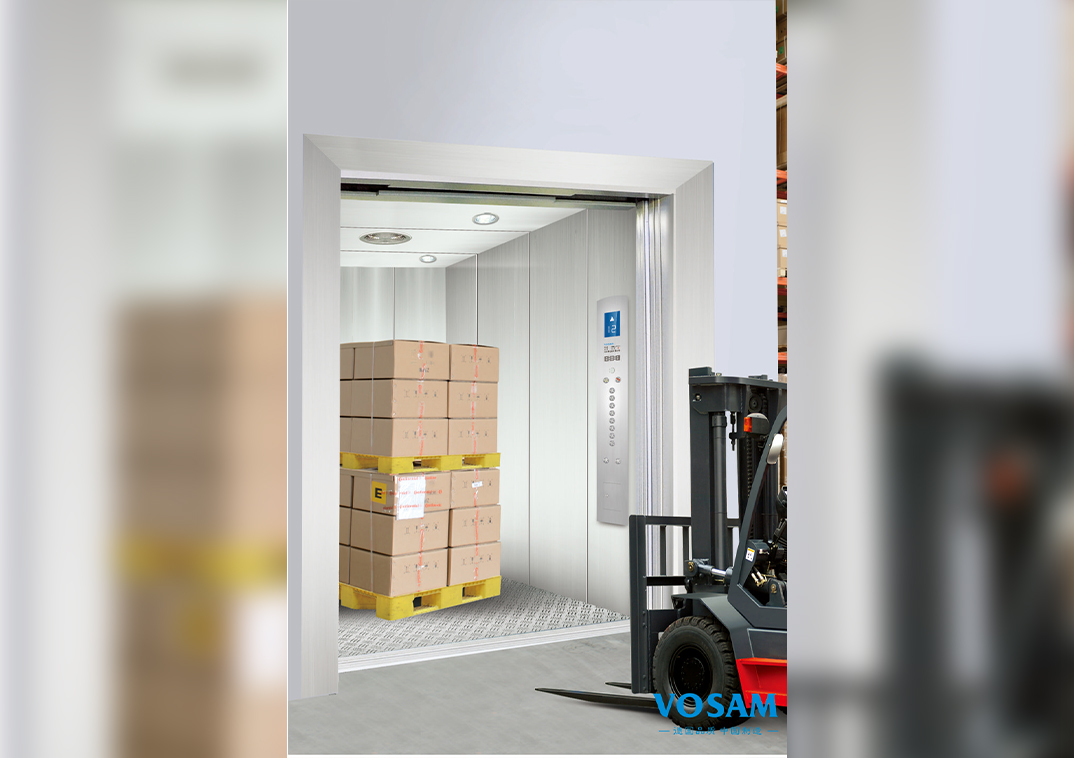
Frequent overload trips, inconsistent floor leveling, or doors that no longer close cleanly on the first try are mechanical symptoms worth tracking. A custom freight elevator solution built for heavy industrial loads handles these stresses differently than a passenger unit pressed into service hauling pallets, which is part of why repurposed equipment tends to fail faster.
Core Components Worth Upgrading
Not every part of a freight elevator ages at the same rate, and a smart modernization plan targets the components that drive the most risk and inefficiency.
The controller sits at the top of that list. Older relay-logic controllers are clunky, hard to diagnose remotely, and increasingly difficult to find replacement boards for. Swapping in a modern PLC-based controller paired with a variable frequency drive smooths acceleration and deceleration, cuts energy use, and gives technicians real diagnostic data instead of guesswork.
- Permanent magnet synchronous gearless traction machines, which reduce machine room footprint and lower failure rates compared with geared systems
- Door operators and interlocks, particularly on bi-parting freight doors where worn mechanical components can create pinch hazards
- Load-sensing and advanced overload protection systems that flag uneven weight distribution before it becomes a structural issue
- Vibration isolation and damping hardware that address the shaking that occurs during starting and stopping
Cab interior upgrades matter less for freight units than for passenger elevators, but reinforced flooring, updated control panels, and LED lighting still contribute to lower maintenance overhead and a longer service life for the cab itself.
Repair vs. Modernization: A Side-by-Side Comparison
Every aging elevator eventually reaches a decision point. The table below outlines how repair and modernization compare across the factors that matter most to a facility budget.
| Factor | Targeted Repair | Full Modernization |
|---|---|---|
| Upfront cost | Lower per incident | Higher, but planned |
| Downtime | Recurring, unpredictable | One scheduled window |
| Parts availability | Increasingly limited | Resets to current supply |
| Energy efficiency | Unchanged | Often improves 20-30% |
| Code compliance | Patchwork at best | Brought fully current |
The pattern that tends to emerge: facilities that keep choosing repair over modernization end up paying for both eventually, just on a less predictable schedule and usually after an unplanned shutdown.
Compliance and Safety Standards to Keep in Mind
Freight elevators in the United States and Canada fall under the ASME A17.1 / CSA B44 safety code for elevators and escalators, which sets the baseline for design, installation, inspection, and alteration requirements. Local jurisdictions often layer additional rules on top of this baseline, so a modernization project should always start with a check against current state and city code rather than assuming the original installation permit still covers the equipment.
Several of the key safety features built into modern freight elevator systems were not code requirements when older units were installed. Door interlocks that prevent movement unless the car is properly aligned with the landing, automatic safety brakes that engage on overspeed conditions, and emergency communication systems are now standard expectations, not optional add-ons.
Permitting adds time to any project timeline. Most jurisdictions require plan review and a final inspection before the elevator can return to service, and skipping that process to save a few weeks creates liability exposure that far outweighs the time saved.
Planning a Modernization Project: What to Expect
A modernization project typically starts with an on-site assessment, where a contractor or manufacturer representative evaluates the existing hoistway, machine room, and car dimensions against what current equipment requires. This step catches mismatches early, before they turn into change orders mid-project.
From there, expect a sequence of permitting, equipment fabrication or sourcing, installation, and final inspection. Lead times vary by scope, but a full controller and drive replacement on a single freight unit commonly runs four to eight weeks once equipment is on site, not counting permit approval time.
Working with a manufacturer that has decades of experience producing freight elevator systems tends to shorten this process, since component compatibility and code requirements are already built into their standard offerings rather than figured out on the fly. Ask any prospective contractor for references on freight-specific projects, since passenger elevator experience doesn't always translate to the higher load tolerances and heavier-duty components that freight applications demand.