en
en  English
 中文简体
中文简体
 русский
 عربى
عربى
Content
- 1 The Role of Hospital Bed Elevators in Modern Healthcare Facilities
- 2 Improving Patient Flow and Reducing Transfer Delays
- 3 Enhancing Emergency Response and Critical Care Efficiency
- 4 Supporting Medical Staff Productivity and Workflow
- 5 Optimizing Space Utilization and Hospital Layout
- 6 Reducing Cross-Traffic and Infection Risks
- 7 Impact on Equipment and Bed Handling Efficiency
- 8 Comparing Hospitals With and Without Dedicated Bed Elevators
- 9 Long-Term Operational and Cost Efficiency
- 10 Contribution to Patient Experience and Satisfaction
- 11 Conclusion: Hospital Bed Elevators as Efficiency Enablers
The Role of Hospital Bed Elevators in Modern Healthcare Facilities
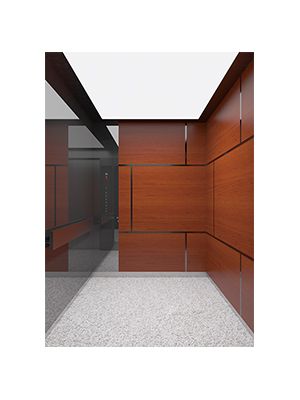
Hospital Bed Elevators are specialized vertical transportation systems designed to safely and efficiently move patients on beds, stretchers, or medical trolleys between different floors of a healthcare facility. Unlike standard passenger elevators, they are engineered to accommodate larger cabin sizes, higher load capacities, and smoother ride performance. Their role goes beyond basic transportation, directly influencing how efficiently a hospital operates on a daily basis.
In busy hospitals where time, coordination, and safety are critical, Hospital Bed Elevators function as essential infrastructure. They connect emergency departments, operating rooms, diagnostic units, and inpatient wards, ensuring that patient transfers occur without unnecessary delays or disruptions.
Improving Patient Flow and Reducing Transfer Delays
One of the most direct impacts Hospital Bed Elevators have on hospital efficiency is improved patient flow. When patients need to be transferred for surgery, imaging, or specialized treatment, delays in vertical transportation can create bottlenecks that affect multiple departments.
Dedicated bed elevators reduce waiting times by prioritizing patient transport over general passenger traffic. This ensures smoother transitions between departments, helping hospitals maintain steady workflows and avoid congestion in critical areas such as emergency rooms and intensive care units.
Enhancing Emergency Response and Critical Care Efficiency
In emergency situations, every second matters. Hospital Bed Elevators play a vital role in rapid patient evacuation, trauma response, and urgent transfers to operating theaters or diagnostic facilities. Their availability and reliability can directly influence clinical outcomes.
Many Hospital Bed Elevators are integrated with emergency control systems that allow priority access, bypassing regular elevator calls. This capability minimizes response times and enables medical teams to focus on patient care rather than logistical challenges.
Key Emergency Features
- Priority call and override functions
- Stable and smooth acceleration for patient safety
- Backup power support during outages
Supporting Medical Staff Productivity and Workflow
Efficient Hospital Bed Elevators significantly reduce the physical and mental strain on healthcare staff. Transporting patients manually through ramps or crowded elevators consumes time and energy that could otherwise be dedicated to clinical tasks.
With well-designed bed elevators, nurses, porters, and technicians can move patients more quickly and with fewer personnel. This streamlined process improves staff productivity and helps hospitals optimize workforce allocation, especially during peak operating hours.
Optimizing Space Utilization and Hospital Layout
Hospital Bed Elevators influence how hospital buildings are planned and utilized. By providing reliable vertical transport for beds, designers can strategically locate departments across multiple floors without compromising accessibility.
This flexibility allows hospitals to maximize available space, separate clean and contaminated zones, and improve overall circulation patterns. Efficient elevator placement reduces travel distances and simplifies internal logistics.
Reducing Cross-Traffic and Infection Risks
Hospital efficiency is closely linked to infection control. Dedicated Hospital Bed Elevators help reduce unnecessary cross-traffic between patients, visitors, and staff. This separation minimizes the risk of cross-contamination, particularly when transporting patients with infectious conditions.
Some hospitals designate specific elevators for isolation wards or surgical transfers, ensuring controlled movement paths. This organized flow supports hygiene protocols and contributes to safer healthcare environments.
Impact on Equipment and Bed Handling Efficiency
Hospital Bed Elevators are designed to accommodate not only patients but also accompanying medical equipment such as IV stands, monitoring devices, and portable ventilators. Adequate cabin dimensions and load capacity prevent awkward positioning or repeated trips.
Efficient handling of beds and equipment reduces wear and tear on hospital assets. Fewer collisions, smoother movement, and proper spatial clearance help extend the service life of beds and medical devices.
Comparing Hospitals With and Without Dedicated Bed Elevators
The difference in operational efficiency between hospitals with dedicated bed elevators and those relying on standard passenger elevators is often significant. Dedicated systems allow predictable scheduling and fewer disruptions to patient transport.
| Aspect | With Bed Elevators | Without Bed Elevators |
| Patient Transfer Speed | Fast and predictable | Delayed and variable |
| Staff Efficiency | High | Moderate to low |
| Infection Control | Improved | Harder to manage |
Long-Term Operational and Cost Efficiency
While Hospital Bed Elevators require higher initial investment, they contribute to long-term operational efficiency. Reduced transfer times, improved staff utilization, and fewer workflow interruptions translate into measurable cost savings over time.
Hospitals with efficient internal transport systems often experience smoother scheduling, shorter patient wait times, and better resource management. These factors collectively enhance overall operational performance.
Contribution to Patient Experience and Satisfaction
Hospital efficiency is not only about internal processes but also patient perception. Smooth, quiet, and comfortable transfers improve patient confidence and reduce stress, especially for those in critical or post-operative conditions.
Hospital Bed Elevators designed with patient comfort in mind, including stable movement and sufficient space, enhance the overall care experience. Positive patient experiences often reflect well on hospital reputation and service quality.
Conclusion: Hospital Bed Elevators as Efficiency Enablers
Hospital Bed Elevators have a profound impact on hospital efficiency by improving patient flow, supporting emergency response, enhancing staff productivity, and reinforcing infection control measures. They enable hospitals to function as coordinated systems rather than isolated departments.
By investing in well-designed and strategically placed Hospital Bed Elevators, healthcare facilities can achieve smoother operations, better patient outcomes, and more sustainable long-term performance. Their role as efficiency enablers makes them an indispensable component of modern hospital infrastructure.