en
en  English
 中文简体
中文简体
 русский
 عربى
عربى
Freight elevators are specialized vertical transport systems designed to move heavy goods, pallets, and equipment safely and efficiently within industrial and commercial buildings. Unlike passenger elevators, they prioritize load capacity, durability, and operational reliability, making them essential in warehouses, factories, hospitals, and retail logistics environments.
Content
What Freight Elevators Are Designed to Do
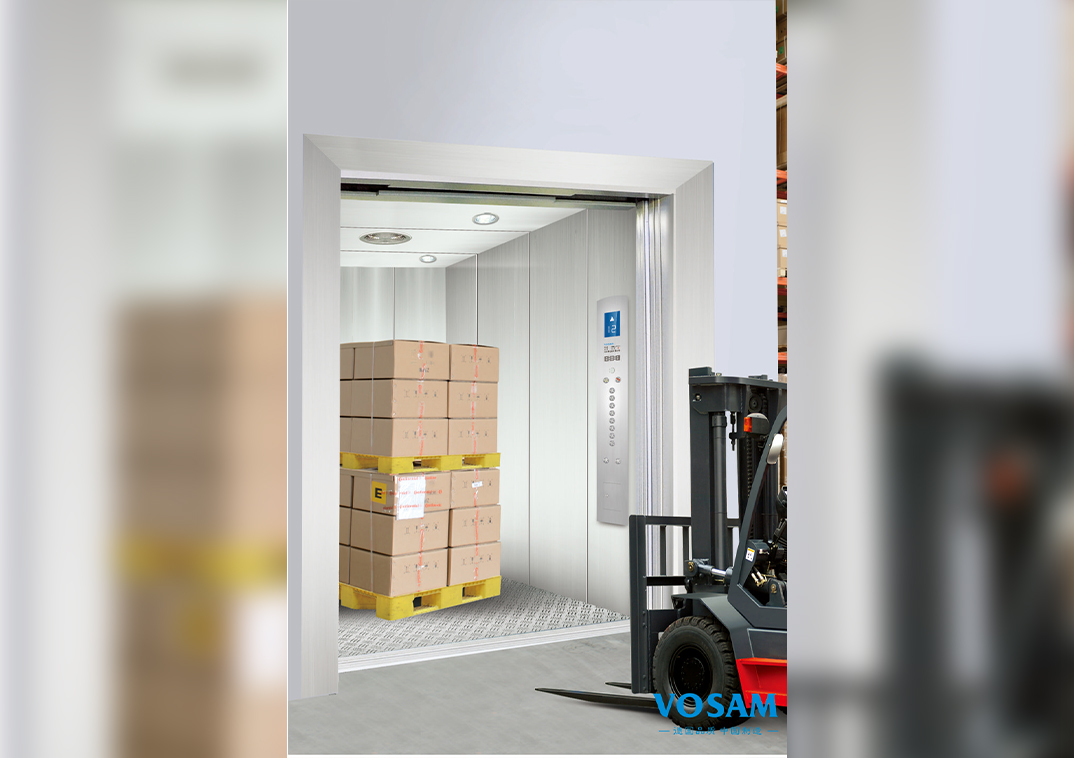
Freight elevators are engineered to transport goods rather than people, although operators may ride along when regulations allow. Their core purpose is to handle high-load, high-frequency vertical movement in demanding environments.
- Move heavy pallets, machinery, and bulk materials between floors
- Support logistics workflows in warehouses and distribution centers
- Reduce manual handling and workplace injury risks
Typical Load Capacity and Size Ranges
One of the defining characteristics of freight elevators is their load capacity. Choosing the right capacity directly affects safety and efficiency.
| Capacity Range | Typical Use Case |
|---|---|
| 2,000–4,000 lbs | Retail stockrooms, small warehouses |
| 5,000–10,000 lbs | Manufacturing plants, hospitals |
| 15,000 lbs and above | Heavy industry, automotive, steel facilities |
Platforms and cabs are usually larger and more reinforced than passenger elevators, often allowing forklifts to enter directly.
Main Types of Freight Elevators
Freight elevators are classified by construction and operating method, each suited to different building conditions.
Class A: General Freight
Designed for evenly distributed loads, these elevators are common in warehouses and storage facilities. They balance cost and performance.
Class B: Motor Vehicle Freight
Built to carry vehicles or rolling equipment, these models handle concentrated axle loads and require reinforced platforms.
Hydraulic vs. Traction Systems
- Hydraulic: lower speed, higher load tolerance, ideal for low-rise buildings
- Traction: faster travel, energy-efficient for multi-story facilities
Safety Standards and Compliance
Safety is a critical factor because freight elevators handle extreme loads. Most regions require compliance with standards such as ASME A17.1 or EN 81.
- Overload detection systems to prevent mechanical failure
- Interlocked doors that only open when the cab is level
- Emergency stop and alarm mechanisms
Installation and Operating Costs
The cost of a freight elevator depends on capacity, travel height, and customization. In practice, basic systems start around $30,000, while heavy-duty or custom installations can exceed $100,000.
Ongoing costs include maintenance, inspections, and energy consumption. Regular servicing significantly extends equipment lifespan and reduces downtime.
Practical Applications Across Industries
Freight elevators are not limited to industrial plants. Their versatility makes them valuable across many sectors.
- Hospitals: transporting beds, medical equipment, and supplies
- Retail malls: moving stock between storage and sales floors
- Manufacturing: handling raw materials and finished products
Key Takeaway
Choosing the right freight elevator means matching load capacity, safety standards, and operating environment. When properly specified and maintained, freight elevators become a long-term productivity asset rather than just a piece of equipment.