en
en  English
 中文简体
中文简体
 русский
 عربى
عربى
Content
- 1 Streamlining Food Transport Between Floors
- 2 Reducing Labor Intensity and Staff Fatigue
- 3 Improving Kitchen Workflow and Coordination
- 4 Enhancing Food Safety and Hygiene Standards
- 5 Increasing Service Speed During Peak Hours
- 6 Optimizing Space Utilization in Compact Buildings
- 7 Supporting Consistent Quality Control
- 8 Lowering Operational Costs Over Time
- 9 Adapting to Different Restaurant Types
- 10 Key Efficiency Benefits at a Glance
- 11 Conclusion: A Practical Tool for Modern Restaurants
Streamlining Food Transport Between Floors
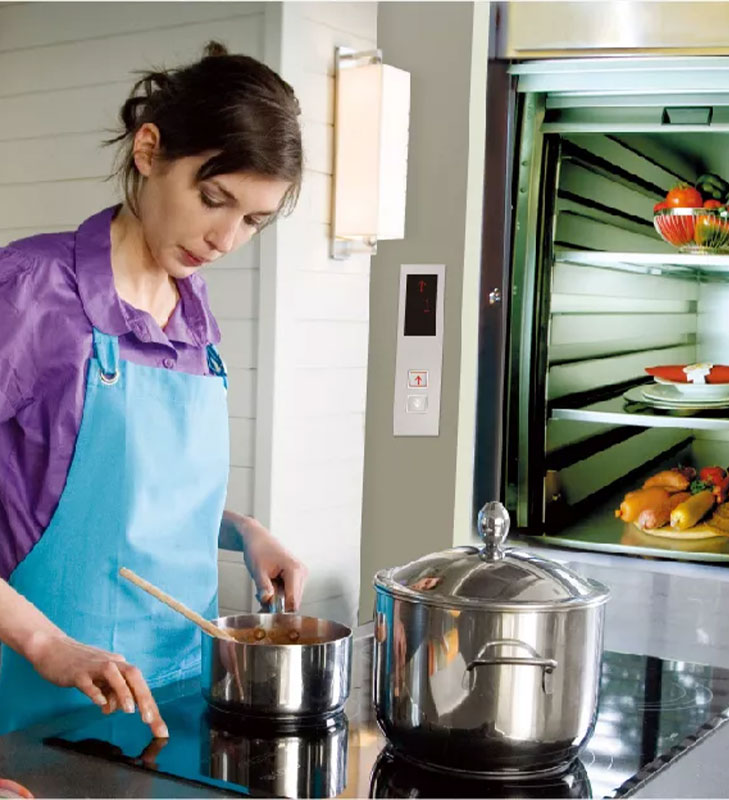
In multi-level restaurants, moving food, ingredients, and supplies between floors can become a daily operational challenge. Dumbwaiter elevators are specifically designed to handle these vertical transport tasks efficiently. By providing a dedicated system for moving items such as prepared dishes, raw ingredients, or clean tableware, restaurants can eliminate frequent stair use and unnecessary staff movement. This direct vertical transfer significantly reduces transit time and ensures that items arrive at their destination quickly and consistently.
Unlike manual carrying, dumbwaiter elevators operate on a controlled track system, ensuring stable movement and minimizing the risk of spills or damage. This reliability is especially valuable during peak service hours, when speed and accuracy directly affect customer satisfaction. For restaurants with kitchens located in basements or upper floors, dumbwaiter elevators become an essential logistical tool rather than a convenience.
Reducing Labor Intensity and Staff Fatigue
Restaurant staff often perform physically demanding tasks, including lifting heavy trays, carrying bulk ingredients, and transporting dishes throughout the day. Dumbwaiter elevators help reduce this physical strain by taking over repetitive lifting and carrying tasks. This allows staff to focus their energy on customer service, food preparation, and quality control rather than manual transport.
Lower physical strain contributes to improved employee well-being and reduces the likelihood of work-related injuries. Over time, this can lead to fewer sick days, lower staff turnover, and a more motivated workforce. In competitive restaurant markets, maintaining a healthy and efficient team is a crucial factor in long-term success.
Improving Kitchen Workflow and Coordination
Efficient kitchen workflow depends on seamless coordination between preparation areas, cooking stations, and service zones. Dumbwaiter elevators integrate smoothly into this workflow by providing a predictable and organized transport method. Chefs and kitchen staff can send completed dishes upward while simultaneously receiving empty trays or new ingredients from other floors.
This two-way functionality helps maintain a steady rhythm in the kitchen, reducing bottlenecks and delays. By standardizing vertical movement, restaurants can better synchronize their operations, especially in establishments that serve large volumes or operate across multiple levels.
Supporting Clear Task Separation
Dumbwaiter elevators also support clearer separation of tasks within the restaurant. For example, kitchen staff can focus solely on food preparation while service staff handle customer interaction. The elevator becomes a neutral transfer point, minimizing cross-traffic and confusion during busy periods.
Enhancing Food Safety and Hygiene Standards
Food safety is a top priority in restaurant operations. Dumbwaiter elevators help maintain hygiene by reducing human contact with food during transport. Items are placed securely inside the elevator cabin, limiting exposure to contaminants and minimizing handling errors.
Many modern dumbwaiter elevators are constructed using stainless steel or food-grade materials that are easy to clean and resistant to corrosion. This design supports regular sanitation routines and aligns with international food safety regulations, helping restaurants maintain compliance while protecting customers.
Increasing Service Speed During Peak Hours
During peak dining hours, speed is critical. Customers expect timely service, and delays can negatively impact their overall experience. Dumbwaiter elevators allow restaurants to move multiple items at once, reducing wait times and improving order turnaround.
By minimizing the time spent walking between floors, staff can respond more quickly to customer needs. Faster service not only improves table turnover but also enhances the restaurant’s reputation for efficiency and professionalism.
Optimizing Space Utilization in Compact Buildings
Many urban restaurants operate in buildings with limited space. Dumbwaiter elevators are compact and can be installed in narrow shafts or unused vertical spaces. This makes them ideal for retrofitting older buildings or optimizing new restaurant designs.
By using vertical space more effectively, restaurants can allocate valuable floor area to dining, storage, or preparation zones rather than wide staircases or service corridors. This efficient use of space directly contributes to higher operational capacity.
Supporting Consistent Quality Control
Consistency is essential in food service. Dumbwaiter elevators help maintain consistent food quality by ensuring stable transport conditions. Smooth vertical movement reduces the risk of spills, plate shifting, or temperature loss during transit.
This consistency is particularly important for delicate dishes, desserts, or beverages that require careful handling. By preserving presentation and temperature, dumbwaiter elevators support the restaurant’s commitment to quality.
Lowering Operational Costs Over Time
Although installing dumbwaiter elevators requires an initial investment, the long-term cost benefits are significant. Reduced labor demands, fewer workplace injuries, and improved operational efficiency all contribute to lower ongoing expenses.
Energy-efficient models consume minimal power and operate only when needed. Compared to the cumulative cost of additional staffing or frequent repairs caused by manual transport damage, dumbwaiter elevators offer a cost-effective solution for sustainable restaurant operations.
Adapting to Different Restaurant Types
Dumbwaiter elevators are versatile and adaptable to various restaurant formats, from fine dining establishments to fast-casual chains. They can be customized in terms of load capacity, cabin size, and control systems to match specific operational needs.
Whether transporting plated meals, bulk ingredients, or clean utensils, dumbwaiter elevators provide a scalable solution that grows with the business. This adaptability makes them suitable for both small independent restaurants and large hospitality groups.
Key Efficiency Benefits at a Glance
- Faster vertical transport of food and supplies
- Reduced staff fatigue and injury risk
- Improved kitchen workflow and coordination
- Enhanced food safety and hygiene
- Better space utilization in multi-level buildings
Conclusion: A Practical Tool for Modern Restaurants
Dumbwaiter elevators play a crucial role in improving restaurant efficiency by addressing practical operational challenges. From reducing labor strain to enhancing service speed and food safety, their impact is both immediate and long-lasting. For restaurants operating across multiple floors, dumbwaiter elevators are not just an upgrade but a strategic investment in productivity and quality.
As the global food service industry continues to demand higher efficiency and better customer experiences, dumbwaiter elevators offer a proven solution that aligns with modern operational standards and long-term business goals.