en
en  English
 中文简体
中文简体
 русский
 عربى
عربى
Content
Introduction to Car Elevators
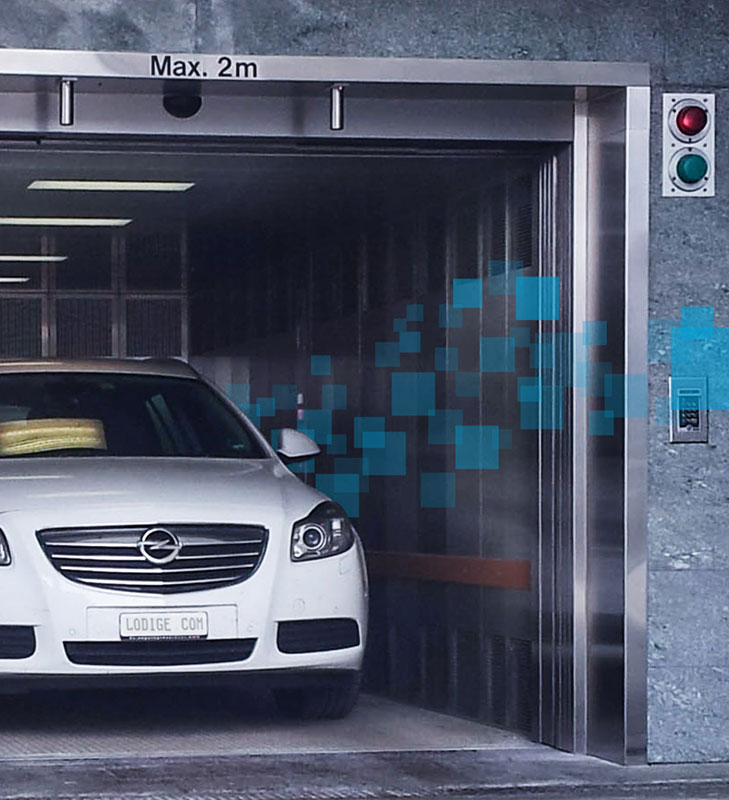
Car elevators, also known as vehicle lifts, are mechanical systems designed to transport cars between different levels of parking structures or storage facilities. They provide space-saving solutions in urban areas and multi-level garages, offering convenience and efficiency. Understanding their lifespan and the proper maintenance routines is critical for safe and cost-effective operation.
Regular inspection and upkeep not only extend the service life of car elevators but also prevent operational failures that can compromise safety. Factors such as load capacity, frequency of use, environmental conditions, and quality of installation influence both longevity and maintenance needs.
Expected Lifespan of Car Elevators
The lifespan of a car elevator typically ranges from 15 to 25 years, depending on the quality of materials, installation, and usage patterns. Properly maintained elevators can exceed 25 years, while neglect can significantly shorten service life due to wear and tear of mechanical components.
Mechanical Components
Critical mechanical parts, such as hydraulic cylinders, motors, pulleys, and chains, are subject to stress from lifting heavy vehicles. Regular lubrication, tension adjustment, and inspection of moving parts are essential to prevent premature failure.
Electrical Systems
Control panels, sensors, and wiring play a major role in the safe operation of car elevators. Proper maintenance includes checking electrical connections, replacing worn components, and ensuring sensors function correctly to prevent accidents and extend system life.
Structural Integrity
Steel frames, platforms, and guide rails must be inspected regularly for corrosion, deformation, or fatigue. A well-maintained structure ensures that the elevator can handle its rated load without compromising safety or longevity.
Routine Maintenance Practices
Routine maintenance is essential for preserving performance and preventing unexpected breakdowns. Maintenance schedules should follow manufacturer recommendations and include daily, weekly, and monthly inspections.
Daily Inspections
- Check for unusual noises during operation.
- Ensure that platforms are level and move smoothly along guide rails.
- Verify that emergency stop buttons and safety sensors are functional.
- Inspect hydraulic oil levels or check mechanical lubrication points.
Weekly Maintenance
- Inspect pulleys, cables, and chains for signs of wear.
- Tighten loose bolts and fasteners.
- Clean control panels and remove dust accumulation.
- Check platform leveling and alignment.
Monthly and Quarterly Maintenance
- Inspect hydraulic cylinders and replace seals if leaking.
- Test all electrical safety circuits and limit switches.
- Lubricate guide rails, chains, and bearings according to manufacturer instructions.
- Check corrosion protection coatings on metal surfaces.
Common Wear Areas and Replacement Intervals
Certain components of car elevators experience more wear due to repeated stress. Timely replacement of these parts prevents failures and extends overall lifespan.
| Component | Typical Replacement Interval | Maintenance Tips |
| Hydraulic Seals | 3-5 years | Check for leaks and replace promptly to maintain pressure. |
| Cables & Chains | 5-7 years | Inspect for fraying or elongation; lubricate regularly. |
| Motors | 10-15 years | Monitor performance and avoid overloading to extend life. |
| Safety Sensors | 3-5 years | Test regularly and replace if malfunctioning to ensure safety. |
Best Practices for Extending Lifespan
To maximize the service life of a car elevator, several practices should be followed beyond routine maintenance:
- Operate within the rated load limits to prevent stress on mechanical components.
- Ensure proper installation with professional calibration and alignment of platforms and rails.
- Avoid exposure to corrosive environments or excessive moisture.
- Train users and operators on safe practices and emergency procedures.
- Schedule professional inspections annually for a comprehensive assessment of system integrity.
Conclusion: Longevity and Maintenance
Car elevators are long-term investments that provide convenience, space efficiency, and safety when properly maintained. Their lifespan is influenced by quality of materials, frequency of use, and adherence to routine maintenance schedules.
By following daily, weekly, and monthly maintenance practices, inspecting critical components, and adhering to best operational practices, car elevators can remain reliable and safe for decades. Regular upkeep ensures both optimal performance and the prevention of costly repairs or accidents, making maintenance an essential part of elevator ownership.