en
en  English
 中文简体
中文简体
 русский
 عربى
عربى
Content
- 1 What Are Electric Elevators and How Do They Work
- 2 Key Advantages of Electric Elevators Over Hydraulic Systems
- 3 Types of Electric Elevators for Different Applications
- 4 Energy Efficiency and Sustainability
- 5 How to Choose the Right Electric Elevator
- 6 Why Vosam Is a Trusted Electric Elevator Manufacturer
What Are Electric Elevators and How Do They Work
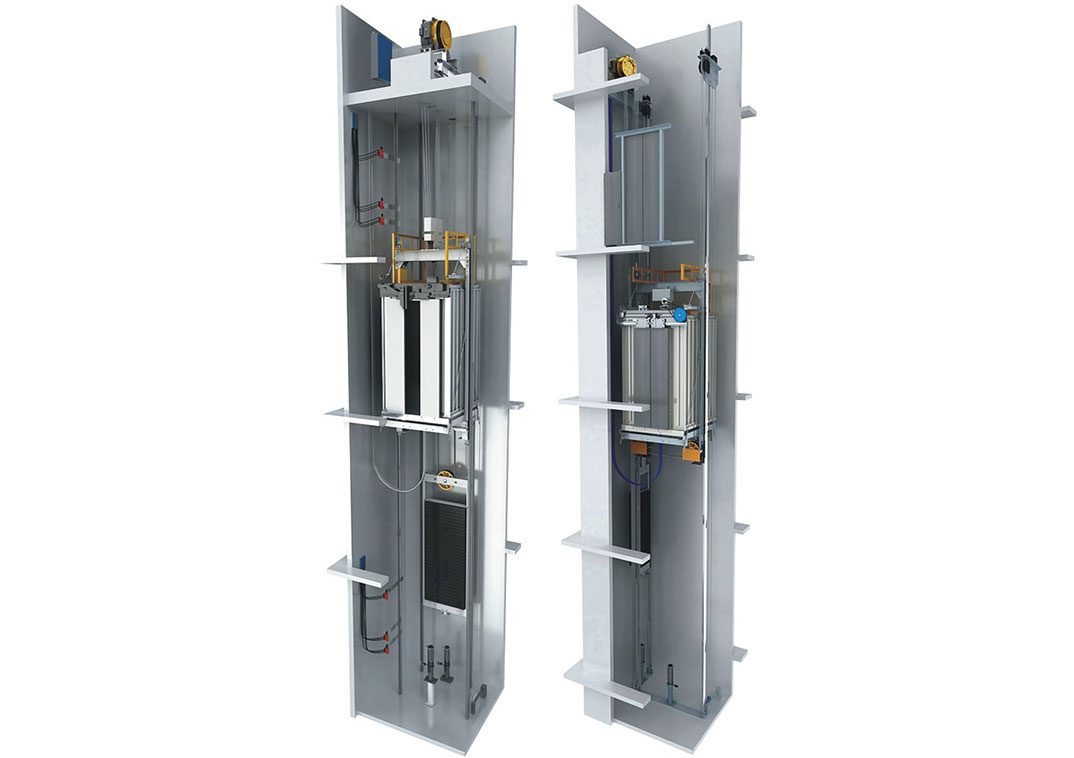
Electric elevators are vertical transportation systems powered entirely by electric motors, eliminating the need for hydraulic oil, external pump stations, or separate machine rooms. At the core of a modern electric elevator is a permanent magnet synchronous gearless traction machine, which converts electrical energy into smooth, precise mechanical movement. A steel rope or belt connects the car to a counterweight, and a variable frequency drive (VFD) regulates motor speed in real time, ensuring gentle starts, accurate floor leveling, and minimal energy waste.
Unlike older hydraulic designs that push a cylinder upward using pressurized oil, electric traction elevators rely on balanced counterweights to offset much of the load. This fundamental difference in physics is why electric elevators are inherently more efficient, quieter, and easier to maintain over the long term.
Key Advantages of Electric Elevators Over Hydraulic Systems
The transition from hydraulic to electric elevator technology represents a significant leap in building performance. Below are the most important practical benefits:
- Energy savings up to 40%: Variable frequency drive systems adjust power consumption in real time based on actual load, cutting electricity use dramatically compared to fixed-speed hydraulic pumps.
- No machine room required: Modern machine-room-less (MRL) electric elevators house all mechanical components inside the hoistway, freeing up valuable floor space and reducing construction costs.
- Quieter operation: Without hydraulic pumps and pressurized oil circuits, electric elevators run at significantly lower noise levels — a major advantage in residential buildings, hotels, and hospitals.
- No risk of oil leaks: Hydraulic systems carry an inherent risk of fluid contamination. Electric elevators contain no hydraulic oil, making them cleaner and safer for environments with strict hygiene or environmental requirements.
- Higher travel speed: Electric traction elevators support operating speeds from 0.4 m/s up to 4 m/s, covering low-rise villas to high-rise commercial towers.
- Lower long-term maintenance costs: Fewer moving parts and no hydraulic fluid changes translate into simpler, less frequent maintenance routines.
Types of Electric Elevators for Different Applications
Electric drive technology is versatile enough to power a wide range of elevator categories, each optimized for specific building types and user needs.
Passenger Elevators
Passenger elevators are the most common application of electric traction technology. Machine-room-less passenger elevators are particularly popular in mid-rise residential and commercial buildings, supporting loads up to 1,000 kg and speeds up to 1.75 m/s. An IP65-rated light curtain door protection system with over 154 detection beams ensures reliable passenger safety on every trip.
Villa Elevators
Designed for private residences, villa elevators combine elegant aesthetics with practical engineering. A single-phase 220 V power supply — standard household current — is all that is required, with total running power under 1.5 kW. No shaft, dedicated foundation pit, or machine room is needed, making installation feasible even in existing homes with minimal civil construction work.
Freight Elevators
Freight elevators powered by variable frequency asynchronous traction motors deliver smooth, stable load handling across capacities from 300 kg to 10,000 kg. Gearless drive technology keeps leveling accuracy within the millimeter range, protecting fragile goods during loading and unloading in factories, warehouses, and logistics centers.
Observation Elevators
Observation elevators combine the efficiency of electric traction with panoramic glass cab designs, adding architectural value to shopping malls, hotels, and public transit hubs. The same energy-saving drive system ensures smooth, near-silent operation even in high-traffic environments.
Energy Efficiency and Sustainability
Buildings account for a significant share of global energy consumption, and elevators are one of the largest single electricity loads within a building. Switching to electric traction technology addresses this directly. Variable frequency drive systems reduce energy consumption by up to 40% compared to conventional fixed-speed motors, and regenerative braking — available on advanced models — feeds recovered energy back into the building's electrical grid during descent cycles.
Machine-room-less designs further contribute to sustainability by reducing the total volume of conditioned space required in a building. Smaller mechanical footprints, combined with LED lighting inside elevator cabs and intelligent standby modes, add up to meaningful reductions in a building's annual energy bill and carbon footprint. For developers pursuing green building certifications, electric elevators represent one of the most straightforward upgrades available.
How to Choose the Right Electric Elevator
Selecting the correct electric elevator for a project involves evaluating several interconnected factors:
| Parameter | Typical Range | Guidance |
|---|---|---|
| Load capacity | 300 kg – 10,000 kg | Match to peak passenger count or maximum cargo weight |
| Travel speed | 0.4 m/s – 4 m/s | Higher speeds justified for buildings above 10 floors |
| Number of stops | 2 – 30+ | Determines shaft height and control system complexity |
| Machine room | MRL or with room | MRL saves space; with-room suits very high-rise or heavy-duty use |
| Power supply | Single-phase 220 V / Three-phase 380 V | Villa and small residential models run on standard household current |
Beyond technical specifications, consider the installation environment. Residential applications prioritize quiet operation and compact footprint; commercial and industrial projects emphasize throughput, durability, and compliance with local safety standards such as EN81-20 and EN81-50.
Why Vosam Is a Trusted Electric Elevator Manufacturer
Zhejiang Vosam Elevator Co., Ltd. is a professional enterprise covering the full elevator lifecycle: design, research and development, manufacturing, sales, installation, maintenance, and service training. The company's product range spans passenger elevators, villa elevators, freight elevators, observation elevators, hospital bed elevators, car elevators, dumbwaiter elevators, escalators, and moving walkways — all built on an energy-saving vector frequency conversion drive platform with an intelligent operating and remote monitoring system.
Load capacities range from 300 kg to 10,000 kg, and operating speeds from 0.4 m/s to 4 m/s, enabling Vosam to serve residential buildings, commercial towers, hospitals, factories, shopping centers, airports, and transit stations within a single, consistent product ecosystem. Custom specifications and cab finishes are available across the entire lineup, giving architects and developers the flexibility to match both technical requirements and interior design standards without compromise.
With manufacturing distribution centers and commercial partners across international markets, Vosam combines the cost advantages of Chinese manufacturing scale with globally recognized quality benchmarks — making it a practical choice for procurement teams sourcing electric elevators at volume.