en
en  English
 中文简体
中文简体
 русский
 عربى
عربى
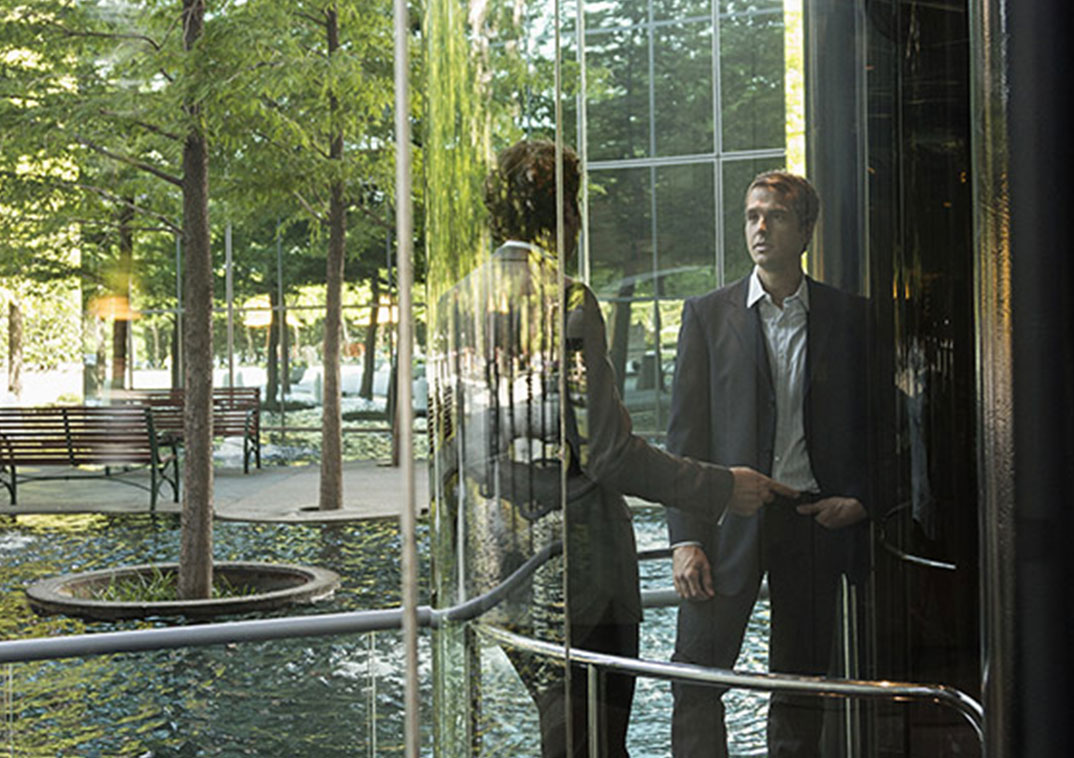
An observation elevator transforms vertical transportation from a utilitarian necessity into a architectural centerpiece, offering passengers panoramic views while seamlessly integrating with a building's aesthetic. Unlike standard enclosed lifts, these units utilize transparent materials—typically high-strength laminated glass—for the cabin walls and often the shaft itself. This design choice not only enhances natural light penetration in atriums and lobbies but also creates a sense of openness and luxury that can increase property value by 10-15% in commercial and high-end residential sectors.
The core appeal lies in the dual function of movement and visualization. Whether installed in a shopping mall, a hotel lobby, or a private villa, an observation elevator serves as a dynamic visual element. However, this transparency demands rigorous engineering standards regarding privacy, thermal control, and structural integrity. The success of such an installation depends on selecting the right glass type, drive system, and lighting integration to balance visibility with passenger comfort and safety.
Content
Glass Technology and Safety Standards
The defining feature of an observation elevator is its glazing. Standard window glass is insufficient for the structural and safety demands of a moving lift cabin. Manufacturers must use specialized laminated glass that meets strict international safety codes, such as EN 81-20/50 or ASME A17.1.
Laminated vs. Tempered Glass
Most modern observation elevators use laminated glass, which consists of two or more layers of glass bonded with a polyvinyl butyral (PVB) or ionoplast interlayer. If the glass breaks, the interlayer holds the shards together, preventing them from falling and injuring passengers. This is critical for overhead canopies and wall panels. Tempered glass, while stronger than annealed glass, shatters into small pieces upon impact and is rarely used alone in load-bearing elevator applications.
Thickness and Layering
The thickness of the glass depends on the cabin size and wind loads (for external installations). Typical configurations include:
- Wall Panels: Usually 8+8 mm or 10+10 mm laminated glass. This provides sufficient rigidity to withstand passenger leaning and minor impacts.
- Floor/Ceiling: If the cabin features a glass floor or ceiling, the glass must be significantly thicker, often 12+12 mm or more, with multiple interlayers to support dynamic loads.
- Shaft Glazing: External shafts may use insulated glass units (IGU) with low-emissivity (Low-E) coatings to reduce heat gain and UV exposure.
Structural Configurations: Machine Room-Less (MRL)
Modern observation elevators predominantly utilize Machine Room-Less (MRL) technology. In traditional systems, the motor and controller were housed in a separate room above the shaft, which could obstruct views or require unsightly architectural additions. MRL systems integrate the drive mechanism directly into the shaft or alongside it, preserving the visual purity of the glass structure.
| Drive Type | Visibility Impact | Energy Efficiency | Maintenance Frequency |
|---|---|---|---|
| Gearless Traction (MRL) | Minimal (Compact) | High (Regenerative) | Low |
| Hydraulic | Moderate (Piston Visibility) | Low | Moderate (Fluid Checks) |
| Belt-Driven (e.g., KONE MonoSpace) | Very Low (Slim Profile) | Very High | Very Low |
Gearless traction systems are preferred for mid-to-high rise observation elevators due to their smooth ride quality and energy efficiency. For low-rise applications (2-5 floors), hydraulic systems are still used, but designers often conceal the piston within a opaque column or use telescopic pistons to minimize visual obstruction.
Privacy and Thermal Control Solutions
While transparency is the primary goal, total visibility can compromise passenger privacy and comfort. Addressing these issues requires integrated technological solutions that do not detract from the aesthetic appeal.
Smart Glass (PDLC) Technology
Polymer Dispersed Liquid Crystal (PDLC) glass, or "smart glass," allows the cabin walls to switch from transparent to opaque with the flip of a switch or via automation. When voltage is applied, the liquid crystals align, making the glass clear. When power is cut, they scatter light, creating a frosted, private surface. This is particularly useful in residential observation elevators where passengers may want privacy during certain times of the day.
Thermal Management and UV Protection
Glass cabins act as greenhouses, trapping heat and exposing passengers to direct sunlight. To mitigate this:
- Low-E Coatings: Reflect infrared heat while allowing visible light to pass, reducing cabin temperature by up to 5-8°C.
- Ventilation: Integrated HVAC systems or discreet air vents are essential to prevent stuffiness. Some designs use the gap between double-glazed units for passive airflow.
- UV Filtering: The PVB interlayer in laminated glass typically blocks 99% of UV rays, protecting passengers' skin and preventing fading of interior finishes.
Aesthetic Integration and Lighting Design
The visual impact of an observation elevator extends beyond the glass. The frame, handrails, and lighting play crucial roles in defining the unit's character. Minimalist designs favor frameless glass panels held by stainless steel spigots or patch fittings, creating a seamless look.
Lighting is particularly critical at night. Internal LED strips embedded in the floor or ceiling coves can illuminate the cabin without causing glare on the glass surfaces. External shaft lighting can turn the elevator into a glowing beacon, enhancing the building's nighttime facade. Designers often use color-changing LEDs to align with seasonal themes or corporate branding, adding a dynamic architectural element to the structure.
Maintenance of these aesthetic elements is straightforward but requires specific care. Glass surfaces must be cleaned with non-abrasive, ammonia-free cleaners to avoid damaging coatings or interlayers. Regular inspection of metal fittings for corrosion, especially in external installations, ensures long-term structural integrity and visual appeal.