en
en  English
 中文简体
中文简体
 русский
 عربى
عربى
Content
Why Getting Stuck Is Less Dangerous Than You Think
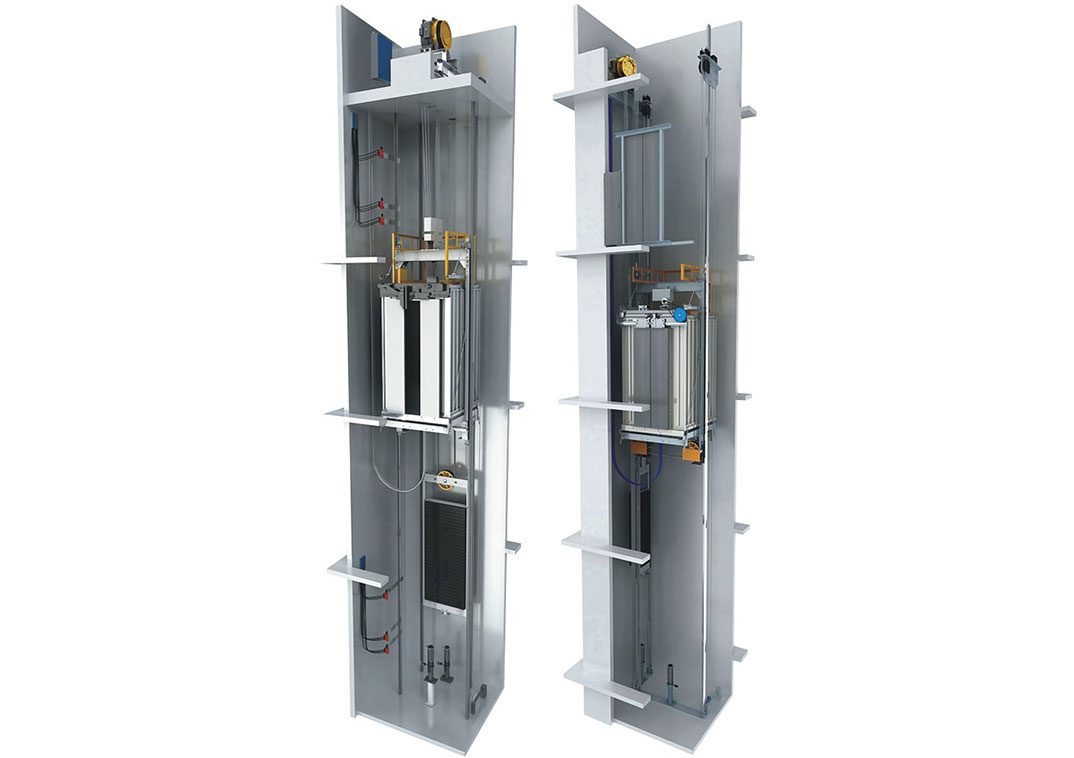
Every year, millions of elevator trips happen without incident — and when a lift does stop unexpectedly, the car itself is far safer than most people assume. Modern passenger elevators are engineered with multiple independent safety systems: steel suspension ropes rated to carry several times the maximum load, electromagnetic braking systems that engage automatically the moment a fault is detected, and mechanical governors that prevent the car from moving beyond a safe speed in either direction.
Ventilation is also built in. Even when the doors remain closed, fresh air continues to circulate inside the cab. There is no risk of running out of air. What you are dealing with is an inconvenience — not a life-threatening emergency — and recognizing that distinction is the first step toward handling the situation well. Learn more about the key safety features built into modern passenger elevators and why they are so reliable.
Step 1 – Stay Calm and Assess the Situation
The instinct to panic is understandable, but it is also the single most counterproductive response you can have. Heightened anxiety raises your heart rate, clouds your judgment, and can cause you to make impulsive decisions — like trying to force the doors — that actually put you at risk.
As soon as you notice the elevator has stopped, take a slow, deliberate breath in for five counts and out for five counts. Repeat this until your heart rate begins to settle. Look around: check whether the lights are still on, note which floor number (if any) is displayed on the panel, and quickly assess whether anyone else in the cab needs immediate medical attention.
If you feel genuine distress — chest tightness, dizziness, hyperventilation — sit down on the floor. This conserves energy, lowers your centre of gravity, and reduces the physical symptoms of anxiety. There is no need to stand for the entire wait. For guidance on how trained professionals handle passenger elevator malfunction procedures and safety response, refer to established industry protocols.
Step 2 – Use the Emergency Alarm and Intercom
Every compliant elevator is required to carry at minimum an alarm button and a two-way communication device. Locate the control panel — typically on the side wall of the cab — and identify the alarm button, usually marked with a bell icon, and the intercom or emergency phone.
Press and hold the alarm button for three to five seconds. In most modern systems, this directly connects you to a call centre or building management team. When someone responds, speak clearly: state that you are trapped in the elevator, give the building address if you know it, identify the floor number shown on the display (or the last floor you recall passing), and mention how many people are in the cab.
If the intercom produces no response after one attempt, wait two minutes and try again. Continuous pressing without pausing can actually prevent the signal from registering on some older systems. Once contact is made, the response team will assess the situation and dispatch the appropriate personnel — your job from this point is simply to wait.
Step 3 – Use Your Mobile Phone if Needed
Signal strength inside an elevator shaft varies considerably depending on the building's construction materials and the location of the nearest cell tower. Concrete-heavy structures with deep shafts tend to have weaker signals; glass-sided or modern steel-frame buildings often allow calls through without difficulty.
If the emergency intercom fails to connect and you have mobile signal, call building management, a trusted contact, or your local emergency number. Give the same key details: building address, approximate floor, number of occupants, and any visible signs of a technical fault (unusual sounds, flickering lights, the cab stopping between floors).
Keep calls brief and purposeful. Preserve your battery — do not stream video or run heavy applications while you wait. If signal is intermittent, move slowly to different corners of the cab to find the strongest spot. Text messages often transmit successfully at signal levels too low to sustain a voice call.
Step 4 – Stay Safe While Waiting for Help
Once communication has been established, your focus shifts entirely to staying safe until rescue personnel arrive. Position yourself at the back of the elevator, away from the doors. This protects you in two scenarios: if the cab shifts unexpectedly, you are away from the opening; and when engineers arrive to pry or release the doors, they need clear space to work.
Do not lean against the doors or attempt to peer through the gap. Even a millimetre of movement in the car — perfectly normal as the brakes hold tension — can feel alarming if you are pressed up against the door frame. Keep your hands away from any panels, cables, or hatches.
If you have water, drink small sips. If you have medication you need to take, take it. If others are with you, calm conversation is actively helpful — it slows breathing, reduces perceived time, and keeps everyone grounded. Rescue times typically range from a few minutes to under two hours for a well-maintained building with a responsive service team.
What Happens When Help Arrives
Trained elevator technicians or emergency responders will approach the shaft from outside — typically using a hoistway key to access the landing doors on the nearest floor. Under internationally recognised evacuation guidelines for elevator entrapments, all passenger rescues must be carried out under the direct supervision of qualified elevator personnel — not by bystanders, building cleaners, or security guards acting alone.
When you hear activity outside the doors, announce yourself calmly. Move to the rear of the cab and remain there until you are explicitly told it is safe to step out. Do not attempt to climb through a partially open door or hatch on your own initiative. The elevator car can resume movement at any moment once power or mechanical function is restored, and a partial exit places you directly in the path of that movement.
Follow every instruction given by the rescue team. Once you are out, report any injuries or medical concerns to the on-site personnel before leaving the premises.
How to Prevent Elevator Entrapments
The most effective way to avoid being trapped is to ensure the elevators you use or own are properly maintained. The majority of entrapments are caused by electrical faults, worn components, or power supply interruptions — all of which are detectable through regular maintenance that keeps passenger elevators safe and reliable before problems escalate.
For building owners and facilities managers, scheduling periodic professional inspections is not optional — it is a safety obligation. A well-serviced elevator is statistically far less likely to experience an unplanned stoppage, and when a fault does occur, properly maintained safety systems respond correctly every time.
If you are evaluating lift options for a new build or retrofit project, choosing equipment engineered with redundant safety systems makes a measurable difference. Explore our range of passenger elevator solutions for commercial buildings designed with safety-first engineering at every level.