en
en  English
 中文简体
中文简体
 русский
 عربى
عربى
Content
What Really Happens When an Elevator Gets Stuck
The moment an elevator jolts to a stop between floors, the instinct to panic kicks in fast. But the physical reality inside that cab is far less dramatic than it feels. Elevators are not sealed boxes — the shaft and car both allow continuous airflow, so running out of oxygen is not something that happens, even during an extended wait.
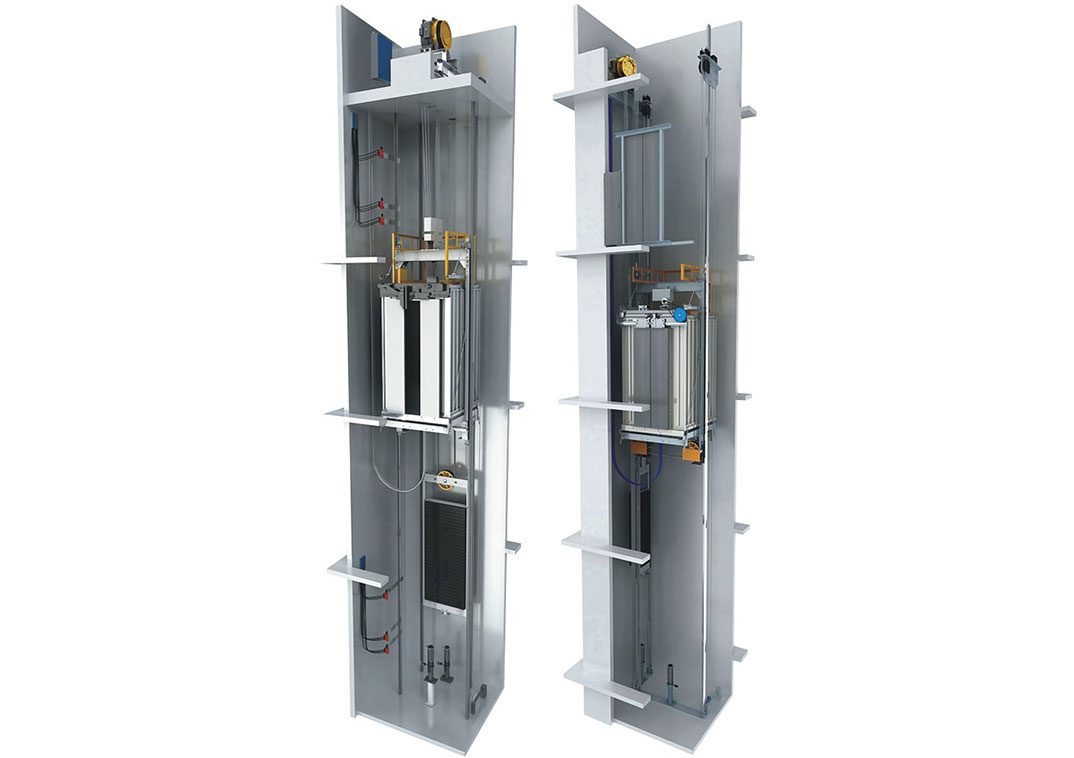
Free-falling is also not a realistic outcome. Every elevator car rides on steel guide rails and is held by multiple independent hoist cables, backed up by a mechanical safety brake and a governor system that automatically clamps the car to the rails if it moves faster than its rated speed. industry guidance for emergency responders handling elevator entrapments confirms that a stalled car is considered a low-risk, mechanically stable situation — which is exactly why the standard advice from rescue professionals is to stay put rather than attempt a self-rescue.
Step-by-Step: What to Do If You're Trapped
Knowing the sequence in advance makes the difference between a calm few minutes and a panicked ordeal. Follow these steps in order.
- Press the alarm or emergency call button first. This is the fastest way to alert building staff or a monitoring service that someone is inside. On older units without a phone, an alarm button serves the same purpose.
- If there's an intercom or emergency phone, use it to report your location and how many people are with you. Responders on the other end may not always answer verbally, but the call is still being logged.
- Take a few slow breaths and settle in. The car isn't going anywhere unexpectedly, and the air inside is continuously refreshed.
- If you're with other passengers, briefly explain that staying still is safer than trying to force anything open — a calm group waits far more comfortably than an anxious one.
- Wait for a trained technician or emergency responder to open the doors from the outside. This typically happens within minutes once the alert reaches building staff.
For a closer look at how these situations typically unfold in practice, the steps to take during a passenger elevator malfunction walk through the same process from the perspective of everyday building use.
Common Mistakes That Make Things Worse
Most elevator injuries linked to entrapment don't come from the malfunction itself — they come from what passengers do afterward. A few behaviors consistently turn a minor inconvenience into a real hazard.
- Prying at the doors with fingers, tools, or bags. Elevator doors are mechanically interlocked, and forcing them can damage the locking mechanism or shift the car unexpectedly.
- Jumping, rocking, or pounding on the walls in frustration. This doesn't restart the drive system; it can instead trigger the safety brake to re-engage or cause the car to shift.
- Trying to climb through a ceiling hatch. These hatches are designed to be opened from outside by trained personnel using the correct tools, not as a passenger exit.
- Repeatedly re-pressing the alarm button. One activation is enough to notify responders; mashing the button doesn't speed anything up and can obscure whether the call actually went through.
If the Doors Open But You're Between Floors
Sometimes the car manages to open partway, revealing a sliver of the floor above or below. This is the moment most self-rescue attempts happen — and it's also the most dangerous one. A car that appears stationary can still shift or resume moving without warning, and stepping into a partial opening risks a serious fall or crush injury.
If this happens, resist the urge to climb through. Instead, call out to anyone nearby on the adjacent floor so they can notify building staff directly, and continue waiting for the alarm response you've already triggered.
Why Modern Elevators Are Built to Keep You Safe
The reason staying inside is the recommended approach comes down to engineering, not just caution. Contemporary passenger elevators designed for reliable everyday operation layer multiple independent safety systems on top of one another. Door interlocks physically prevent the car from moving unless the doors are fully closed and aligned with the landing. Emergency stop and alarm circuits run on backup power, so a building-wide outage doesn't cut off your ability to call for help.
The same engineering principles carry over into heavier-duty applications. overload protection and safety brake systems built into freight elevators illustrate how the same governor-and-brake logic scales up to protect both cargo and people even when loads are far heavier than a typical passenger cab.
Reducing the Risk of Getting Stuck in the First Place
Entrapments are rare, and they get rarer the better an elevator is maintained. Worn door contacts, aging control boards, and neglected brake components are the most common root causes of unscheduled stops. Buildings that stay on top of routine maintenance that keeps passenger elevators running safely catch these issues during scheduled inspections, long before they turn into a mid-ride stop.
As a rider, a few habits also help: avoid boarding a car that's visibly over its posted capacity, don't force the doors open once they've started closing, and report unusual noises or jerky movement to building management rather than assuming it will resolve on its own. None of this guarantees an elevator will never stall, but it meaningfully lowers the odds — and if it does happen, you now know exactly what to do.