en
en  English
 中文简体
中文简体
 русский
 عربى
عربى
Content
Understanding Passenger Elevator Speed
Passenger elevators are a critical component in modern high-rise buildings. While faster elevators can reduce waiting and travel time, speed is not the only factor affecting passenger experience. Factors such as safety, comfort, energy efficiency, and maintenance must also be considered when evaluating elevator performance.
Impact of Elevator Speed on Passenger Comfort
Elevator speed can directly influence the comfort of passengers. Rapid acceleration and deceleration may cause discomfort or even dizziness, especially for elderly passengers or those with medical conditions. Maintaining a balance between speed and smooth operation is crucial to ensure a pleasant ride.
Acceleration and Deceleration Rates
Most high-speed elevators accelerate at a rate of 1.0 to 1.6 meters per second squared. Exceeding this range may increase discomfort, while slower acceleration can result in longer travel times and reduce efficiency in tall buildings.
Noise and Vibration Considerations
Faster elevators often generate more noise and vibration. Advanced damping systems and precision engineering are necessary to minimize these effects. Excessive noise can negatively impact passenger experience and overall building perception.
Safety Factors in High-Speed Elevators
Speed influences not only comfort but also safety. High-speed elevators require advanced braking systems, accurate leveling, and fail-safe mechanisms to ensure passenger security. Elevator codes and standards typically define maximum allowable speeds based on building height and design.
Braking Systems
Modern elevators use multiple braking systems, including mechanical, magnetic, and electronic brakes. For high-speed elevators, redundant braking mechanisms are essential to prevent accidents and ensure smooth stops at each floor.
Emergency Protocols
Elevators traveling at high speeds require sophisticated emergency systems. These include automatic slowdown features, emergency communication devices, and backup power systems to maintain safety during power failures or mechanical issues.
Energy Efficiency vs. Speed
Higher speed elevators consume more energy due to increased motor power and greater air resistance. In contrast, energy-efficient elevators often operate at moderate speeds, balancing performance with operational costs.
Regenerative Drives
Many modern elevators use regenerative drives that convert kinetic energy into electricity during descent. This system reduces overall energy consumption, particularly in buildings with frequent traffic, and partially offsets the additional energy required for faster speeds.
Optimal Speed for Energy Savings
Studies show that moderate speeds of 2–4 meters per second offer the best compromise between energy efficiency and travel time for mid-rise buildings, while high-rise structures may justify speeds up to 10 meters per second with advanced energy recovery systems.
Maintenance Considerations for Fast Elevators
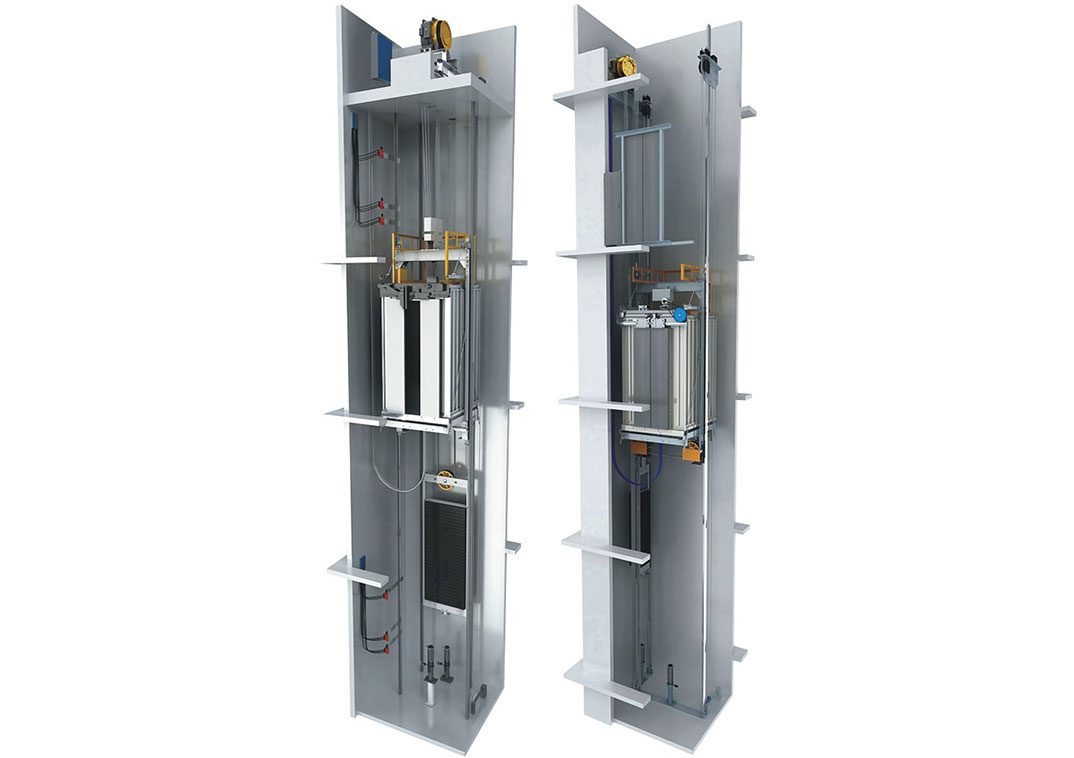
High-speed elevators require more frequent maintenance due to increased mechanical stress and wear. Components such as ropes, guide rails, motors, and control systems must be regularly inspected to prevent failures and maintain smooth operation.
Routine Inspection Schedules
For elevators exceeding 5 meters per second, most manufacturers recommend monthly or bi-monthly inspections, including lubrication, rope tension checks, and safety system tests. Adhering to these schedules can prolong the life of the elevator and enhance passenger safety.
Predictive Maintenance Technologies
IoT sensors and predictive maintenance software allow operators to detect potential issues before failures occur. These systems are particularly valuable for high-speed elevators, helping avoid costly downtime and minimizing safety risks.
Cost vs. Performance Trade-offs
Faster elevators generally come with higher initial costs, increased energy usage, and more intensive maintenance requirements. Building designers must evaluate whether the time savings justify the additional expense. Often, moderate-speed elevators provide a better return on investment for residential and commercial projects.
Comparing Speeds in Tall Buildings
| Speed (m/s) | Travel Time (30 Floors) | Energy Consumption | Maintenance Frequency |
| 3 | 90 sec | Low | Quarterly |
| 6 | 50 sec | Medium | Monthly |
| 10 | 35 sec | High | Bi-weekly |
Conclusion: Are Faster Elevators Always Better?
While faster passenger elevators reduce travel time, they are not universally better. Comfort, safety, energy efficiency, and maintenance requirements must be balanced against speed. For most buildings, moderate-speed elevators offer optimal performance, delivering efficiency without compromising passenger experience or operational costs.