en
en  English
 中文简体
中文简体
 русский
 عربى
عربى
At just over fourteen years old, the second elevator in a commercial office building has begun stopping half an inch short of the landing. The door operator has been adjusted twice in six months, and tenants have started avoiding the car. The property manager asks three contractors for a modernization quote and receives three proposals that describe entirely different amounts of work. This is why the scope of work, not the sticker price, determines whether the project succeeds.
An elevator modernization scope of work is a written definition of what will be replaced, repaired, tested, and documented during a modernization project. It covers hardware, software, safety devices, building interfaces, commissioning steps, and handover criteria. A precise scope keeps the project on schedule, controls the budget, and gives the owner a measurable way to accept the completed work. A vague scope leaves every decision open to interpretation and turns ordinary problems into change orders.
Content
What a Modernization Scope of Work Should Cover
Most modernization projects keep the existing hoistway, car frame, and guide rails while replacing the subsystems that control performance and safety. The scope must identify each subsystem and clearly state whether the work is a replacement, a repair, or an adjustment. The table below summarizes the areas most commonly addressed in a commercial or residential building.
| Subsystem | Typical Modernized Items | Expected Result |
|---|---|---|
| Control and drive system | Controller, VVVF drive, motor interface, software | Smoother starts and stops, reduced energy consumption, reliable dispatching |
| Door system | Door operator, door panels, hangers, rollers, sensors, safety edges | Faster and more consistent door cycles, fewer entrapment events |
| Traction and braking | Traction machine, brake assembly, governor, tension weights | Quieter travel, dependable braking, reduced vibration |
| Signal fixtures | Hall buttons, car operating panels, position indicators, audible signals | Clear and accessible user interface, fewer stuck-button complaints |
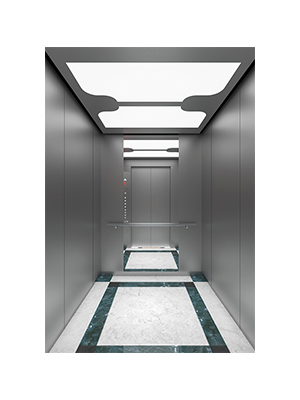
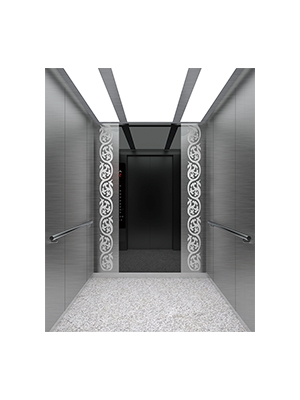
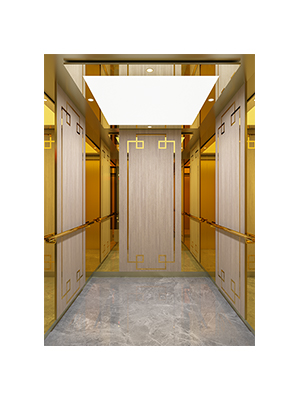
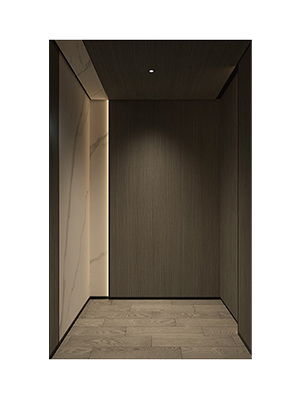
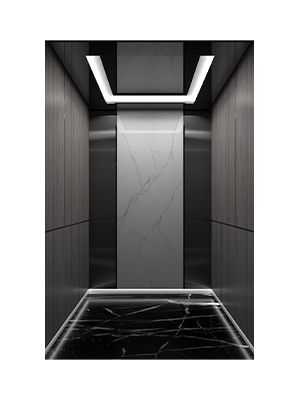
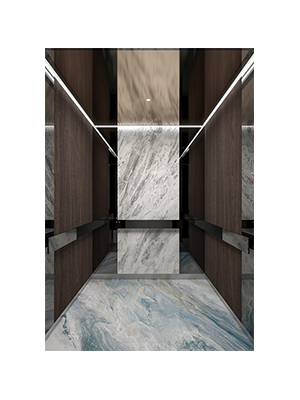
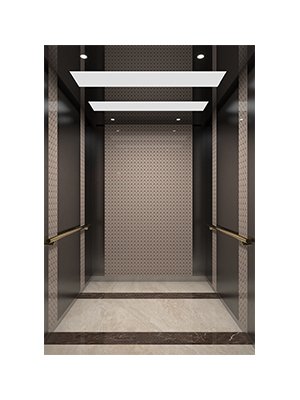
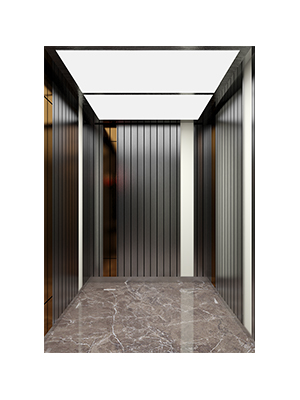
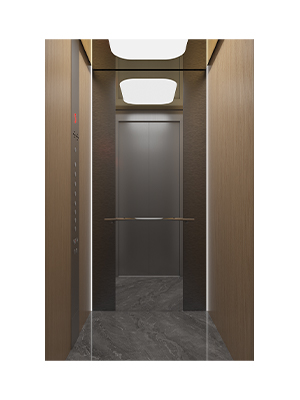
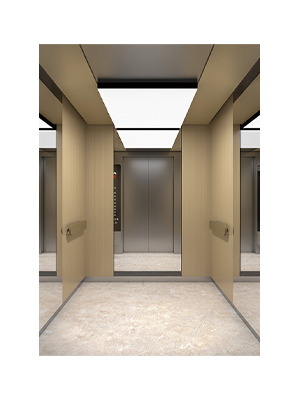
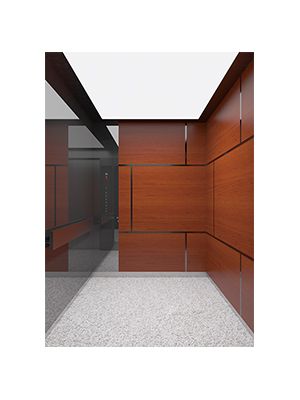
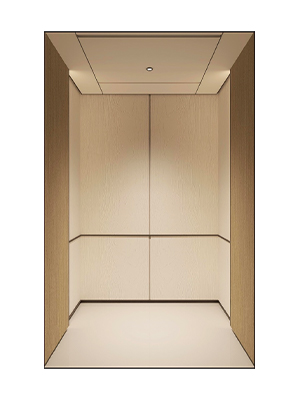
| Car interior | Walls, ceiling, lighting, handrails, floor covering | Updated appearance and easier cleaning |
| Safety and code items | Safety gear, buffers, limit switches, fire alarm interface, emergency communication | Compliance with current safety standards and local codes |
A modernization scope is not just a parts list. It defines performance expectations. For example, the door section should state that the new door operator must open and close within specific time tolerances, and the drive section should state the expected stopping accuracy and ride quality. These measurable targets prevent disputes during acceptance testing.
Full Modernization versus Targeted Upgrades
One of the first decisions a property owner must make is whether to modernize the entire operating system or to focus on specific components.
A full modernization replaces the controller, drive system, door operators, signal fixtures, and safety devices at one time. It makes sense when the elevator is more than 20 years old, when spare parts are difficult to find, or when the applicable local code has changed significantly. Full modernization brings the elevator close to the energy efficiency and ride quality of a new unit, without the cost and structural disruption of a complete replacement.
A targeted upgrade addresses one or two subsystems. Installing a new VVVF drive on an otherwise healthy elevator can reduce energy use and improve ride comfort. Replacing only the door operator can resolve recurring door faults. A targeted upgrade costs less and causes less downtime, but it carries a risk: the older component next to the new one may become the next failure point. The scope should state in writing why the boundaries were chosen and which components are deliberately excluded.
The Site Survey and Engineering Work Behind Every Scope
A scope of work is only as reliable as the site investigation behind it. Elevators accumulate wear in places that are not visible from the car. Rails wear and affect ride quality. Door tracks distort and cause intermittent faults. Hoistway wiring degrades and introduces communication errors between the controller and the safety chain.
A professional scope should be based on a physical survey that covers at least the following:
- Confirmation of elevator type, capacity, speed, and number of stops.
- Measurement of guide rail wear, car frame alignment, and counterweight clearances.
- Load testing of the traction machine and brake.
- Inspection of door hangers, tracks, and hoistway interlocks.
- Verification of the existing electrical supply and grounding.
- Review of the current compliance status, including emergency lighting and two-way communication.
The survey results shape the scope. Worn rails require rail replacement. Degraded wiring requires rewiring. If the survey is skipped, these conditions surface later as change orders. A well-prepared scope also includes a provisional allowance for hidden conditions, because hoistway conditions are never fully predictable until panels are removed.
Compliance, Testing, and Commissioning
Modernization work is subject to the same safety code requirements as new installations. The scope must name the applicable standard, such as ASME A17.1, EN 81, or the equivalent local regulation, and assign responsibility for permits, inspections, and notifications to the code authority.
Testing is the final proof that the modernized system is safe. Most authorities will require a full load test, a governor overspeed test, and verification of the safety chain after the work is complete. The scope should list each test, the acceptance criteria, and the required documentation. It should also cover building interfaces such as fire alarm recall, earthquake operation where required, and emergency telephone service.
For most projects, installing a VVVF drive to replace an older two-speed or AC variable-voltage system is the single most effective upgrade. VVVF drive technology gives the motor smoother acceleration and deceleration, reduces energy consumption, and improves stopping accuracy. The ride feels better, and the building's energy bills reflect the difference.
When testing is finished, the scope should require a complete handover package: as-built drawings, sequence of operation descriptions, maintenance manuals, and certificates for safety devices. Building staff should receive a short training session on the new fixtures and the new controller, because staff who understand the equipment handle minor faults confidently and avoid unnecessary service calls.
Using the Scope of Work to Choose a Modernization Partner
The scope of work is also the basis for comparing proposals. When every contractor quotes against the same written scope, bids can be compared fairly on price, schedule, and method. When the scope is missing, each contractor assumes a different amount of work, and the lowest bid is often simply the one that overlooked the most.
A qualified modernization partner should be able to comment on the scope with engineering insight, not just accept it. Elevator modernization is a balance between existing field conditions and new components. A manufacturer with a full product line, such as one that builds both passenger elevators and freight equipment, understands how duty cycles, traffic patterns, and building types affect control and door requirements. That experience is valuable when a facility engineer needs practical answers about component life, spare parts availability, and maintenance access.
The scope should also address the maintenance transition. When the old controller is removed, the maintenance program must be updated to cover the new components. Manufacturers that support their own equipment can align the modernization scope with the ongoing maintenance plan, which reduces confusion about responsibility and helps the elevator stay within its design parameters over the long term.
A well-defined elevator modernization scope of work is the difference between a controlled project and a series of surprises. It sets the boundary between old and new equipment, states the performance expected from every subsystem, and defines the testing and documentation that prove the work is complete. Property owners and facility teams who insist on a detailed scope before signing a contract protect their budget, their schedule, and the safety of everyone who rides the elevator.