en
en  English
 中文简体
中文简体
 русский
 عربى
عربى
Content
What to Do If You Get Stuck in an Elevator
The doors stop moving, the panel goes quiet, and the car sits between floors. Before anything else, hold down the door open or door close button for a full five seconds. In a surprising number of cases, the doors were simply jammed or the floor selection never registered, and this alone gets things moving again.
If that doesn't work, locate the emergency call button or intercom and press it. This connects you to building staff, a monitoring service, or emergency dispatch, and it's the fastest way to get a technician headed your way. Elevators are required to have this connection built in, and the same principle applies whether you're in a passenger elevator, a freight unit, or a home lift. For a full walkthrough of the steps to follow during a passenger elevator malfunction, it's worth reading through the recommended sequence in advance rather than trying to recall it under stress.
Resist the urge to pry the doors apart or squeeze through a gap. Federal safety guidance is direct about this: occupants should use the emergency call button and wait for trained personnel rather than attempting to exit on their own. A car that looks stopped at floor level may actually be misaligned by a foot or more, and stepping out blind is how injuries happen.
Why Elevators Get Stuck in the First Place
Most entrapments trace back to one of three causes. The first is technical: a power blip, a control system reboot, or an overcautious sensor that halts the car at the first sign of anything unusual. These systems are built to fail safely, meaning they stop the elevator rather than let it continue under uncertain conditions.
The second is human behavior. Overloading trips the weight sensor and locks the doors open until the excess load is removed, while forcing doors or jumping inside the cab can confuse safety switches into a precautionary shutdown. This is especially common in high-traffic settings like apartment buildings and shopping centers, and it's part of why overload protection features built into modern freight elevators matter as much for convenience as for safety.
The third cause is deferred maintenance. Worn cables, dirty guide rails, and outdated control software rarely cause a dramatic failure, but they do make an unexpected stop more likely over time. Older installations without upgraded monitoring are more exposed to this pattern than newer, regularly serviced systems.
Is It Dangerous to Be Stuck in an Elevator?
The short answer is no, and the numbers back that up. Elevators in the United States account for roughly 18 billion passenger trips every year, and entrapment incidents make up a vanishing fraction of that volume.
A stalled car is not a falling car. Emergency brakes engage automatically the moment anything abnormal is detected, and backup lighting keeps the cab from going dark. There's also enough air circulating in a stopped elevator to make suffocation a non-issue, even during a longer wait for a technician.
The discomfort of being stuck is real, but the physical risk is low. Most entrapments resolve within thirty to sixty minutes once a technician is dispatched, and the systems that stopped the car in the first place are the same ones keeping it stable while you wait.
How Regular Maintenance Prevents Entrapment
The gap between a building that never has elevator problems and one that deals with them regularly usually comes down to upkeep. Scheduled inspections catch worn cables, slipping motors, and aging control boards before they cause a stoppage, and this is precisely the kind of preventive work covered under routine passenger elevator maintenance that meets safety standards.
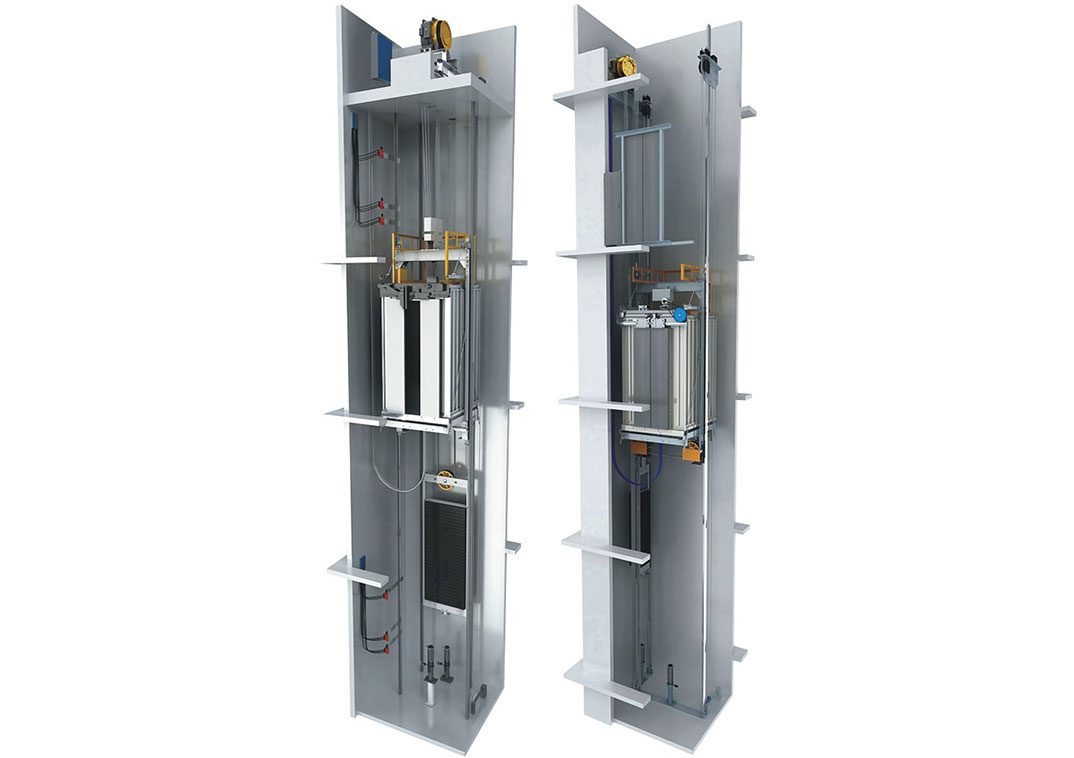
Modern installations go a step further with real-time monitoring that flags irregularities before a passenger ever notices them. Building owners who invest in this kind of oversight, paired with equipment from a manufacturer that prioritizes safety engineering, see far fewer unplanned stops over the life of the system. This is one reason property managers evaluating new installations look closely at Vosam's range of passenger elevator solutions, which are built around the same overspeed governors, door interlocks, and load sensors that reduce entrapment risk from the ground up.
Maintenance isn't a one-time fix. It's an ongoing relationship between the equipment, the technicians who service it, and the schedule that keeps small issues from becoming stoppages.
What to Avoid While Waiting for Help
Once you've pressed the emergency button, the most useful thing you can do is very little. Avoid jumping, rocking the car, or pounding on the walls in frustration; these movements can be misread by safety systems and, in rare cases, trigger the car to shift unexpectedly.
Don't attempt to climb through a roof hatch or pry open the doors, even if the car appears level with a floor. Alignment can be off by enough to create a serious fall hazard, and this kind of self-rescue is responsible for most of the injuries that do occur during entrapments.
Stay near the call button in case the dispatcher needs more information, and keep other passengers calm if you're not alone. Help typically arrives faster than it feels, and staying still is what keeps a minor inconvenience from becoming something worse.