en
en  English
 中文简体
中文简体
 русский
 عربى
عربى
Content
- 1 Introduction to Smart Building Integration
- 2 Key Technologies Enabling Integration
- 3 Benefits of Integration with Smart Buildings
- 4 Energy Efficiency and Sustainability
- 5 Safety and Security Integration
- 6 Data Analytics and Predictive Maintenance
- 7 Passenger Experience and Convenience
- 8 Challenges in Integration
- 9 Future Outlook
Introduction to Smart Building Integration
Passenger elevators have evolved beyond simple vertical transport systems. With the rise of smart buildings, integrating elevators into building-wide management systems has become essential. Modern passenger elevators can now communicate with building automation systems, security networks, and energy management platforms, creating a more efficient, safe, and user-friendly environment.
Integration with smart building systems allows elevators to respond dynamically to occupancy levels, peak traffic periods, and emergency situations. By leveraging data and automation, passenger elevators can enhance operational efficiency and reduce energy consumption.
Key Technologies Enabling Integration
Several technologies enable passenger elevators to integrate seamlessly with smart building systems. Advanced control systems, IoT connectivity, and communication protocols are essential for real-time monitoring, predictive maintenance, and energy optimization.
IoT and Connectivity
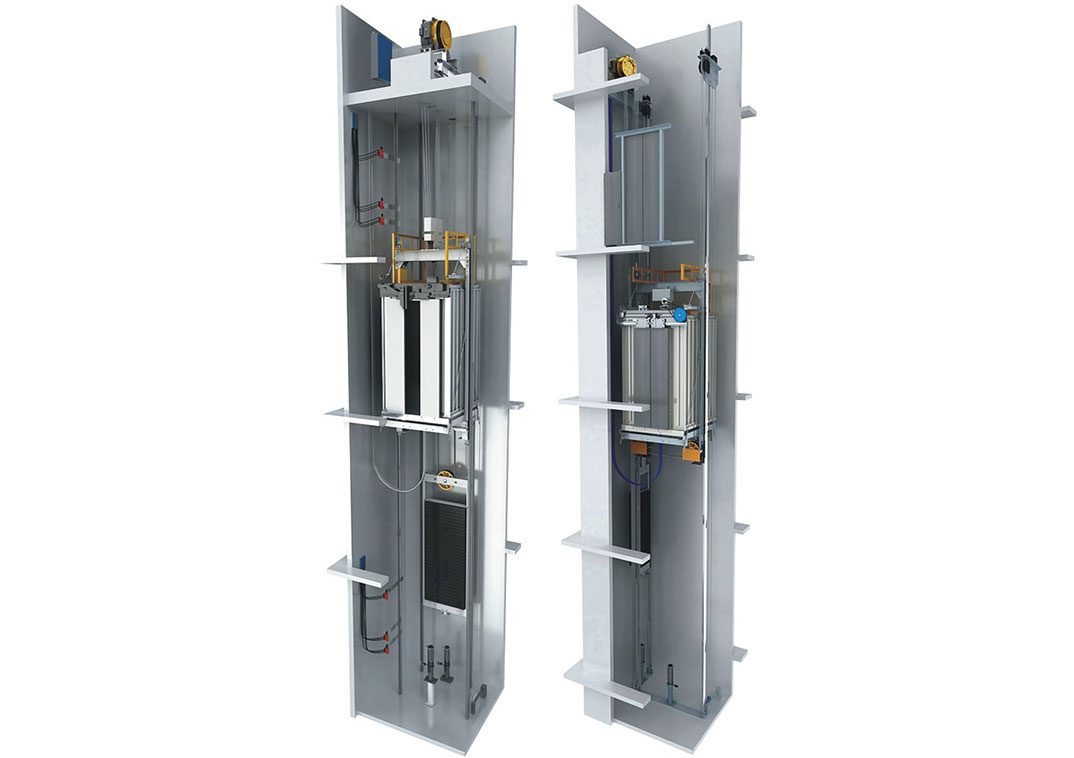
Internet of Things (IoT) devices embedded in elevators allow continuous data collection and transmission. Sensors monitor parameters such as door operation, motor performance, and cabin occupancy. This information is sent to the building management system (BMS) to optimize elevator dispatch and maintenance schedules.
Advanced Control Systems
Modern elevator controllers support AI-driven algorithms that can analyze traffic patterns and adapt dispatch strategies in real time. Integration with smart building software ensures elevators prioritize high-demand floors and reduce waiting times during peak hours.
Benefits of Integration with Smart Buildings
Integrating passenger elevators with smart building systems offers multiple operational and user experience benefits. These advantages extend to energy savings, safety improvements, and enhanced convenience for occupants.
- Optimized elevator dispatch reduces wait times
- Energy-efficient operation through load-based control
- Enhanced safety with automated emergency response
- Predictive maintenance to prevent unexpected downtime
Energy Efficiency and Sustainability
Passenger elevators integrated with smart building systems can significantly reduce energy consumption. Real-time monitoring allows elevators to operate in eco-mode when demand is low, shutting down unused systems or optimizing speed and acceleration profiles.
Some systems also integrate regenerative braking, capturing energy during descent and feeding it back into the building’s electrical grid. These innovations contribute to overall building sustainability and help achieve green building certifications.
Safety and Security Integration
Smart building integration enhances passenger elevator safety by connecting them to fire alarms, security cameras, and emergency communication systems. In case of fire, elevators can automatically return to safe floors and allow first responders to take control.
Access control systems can also be integrated, restricting elevator use to authorized personnel. This ensures secure vertical transportation and prevents unauthorized access to sensitive areas.
Data Analytics and Predictive Maintenance
Integration with smart building systems enables continuous monitoring and data collection. Advanced analytics can predict potential failures based on usage patterns and component performance, reducing downtime and extending elevator lifespan.
For example, motor temperature trends, door operation cycles, and vibration patterns can be analyzed to schedule maintenance before critical failures occur. This proactive approach minimizes disruption and maintenance costs.
Passenger Experience and Convenience
Seamless integration with smart building systems enhances user experience. Occupants can enjoy reduced waiting times, personalized cabin settings, and intelligent group control that optimizes elevator allocation based on floor demand.
Mobile apps and touchless controls allow passengers to call elevators remotely, improving accessibility and convenience, especially in high-rise buildings or large complexes.
Challenges in Integration
Despite the benefits, integrating passenger elevators with smart building systems presents technical challenges. Compatibility between different protocols, cybersecurity concerns, and initial installation costs are key considerations.
Ongoing standardization efforts and robust cybersecurity measures are crucial to ensure reliable communication between elevators and building systems while protecting sensitive operational data from unauthorized access.
Future Outlook
As building automation technologies advance, passenger elevators will increasingly function as integral components of smart buildings. AI-driven dispatching, energy recovery systems, and enhanced safety protocols will become standard features, providing more efficient and user-friendly vertical mobility.
The continued integration of passenger elevators into smart building ecosystems will support sustainable building practices, improve occupant safety, and deliver a superior experience for residents, employees, and visitors alike.